Here is the uncomfortable truth about modern dating apps: a stranger decides whether to keep looking at your profile in roughly the time it takes to blink. Your bio, your prompts, your carefully chosen song goes unread if the first photo doesn't earn a second of attention. And for women, the photo problem comes with its own twist. You are rarely short on matches; you are short on the right ones. The men who actually read your profile, share your goals, and would be good company on a Tuesday night are buried under a pile of low-effort swipes.
That is the gap AI dating photos for women are built to close. Used well, they let you show up consistently (well-lit, varied, and recognizably you) without booking a photographer, recruiting a friend with a good camera, or waiting for the one day a year your hair, the weather, and your mood all cooperate. Used badly, they make you look like a filtered stranger and quietly repel the exact matches you wanted.
This guide is the long version: what these tools actually do, how to build a lineup that attracts quality, the difference between natural and over-filtered, the outfit-lighting-expression details that matter, the mistakes women make most, and the safety and privacy questions worth thinking through before you upload a single selfie.
What AI Dating Photos Actually Are (and What They Are Not)
An AI dating photo generator is not a text-to-image novelty that conjures a glamorous person from nothing. The tools worth using train a small personal model on a handful of your selfies, then generate new images of you in different lighting, outfits, and settings. Think of it as a virtual photoshoot built from your own face, not a fantasy avatar.
The single principle that separates a helpful AI photo from a harmful one is recognizability. The goal is you on a genuinely good day: same face, same age, same general build, just better lit and better styled than your camera roll currently manages. The moment the tool shaves a decade off, narrows your jaw, or hands you someone else's nose, it has stopped helping and started setting up a disappointment.
Here is the test to keep in your head the entire time: If the person across the table on a first date recognized you within two seconds, the photo is honest. If they would feel a gap between the profile and the person, the photo over-promised, and that gap costs you trust before you have said a word. Every decision below flows from that one rule.
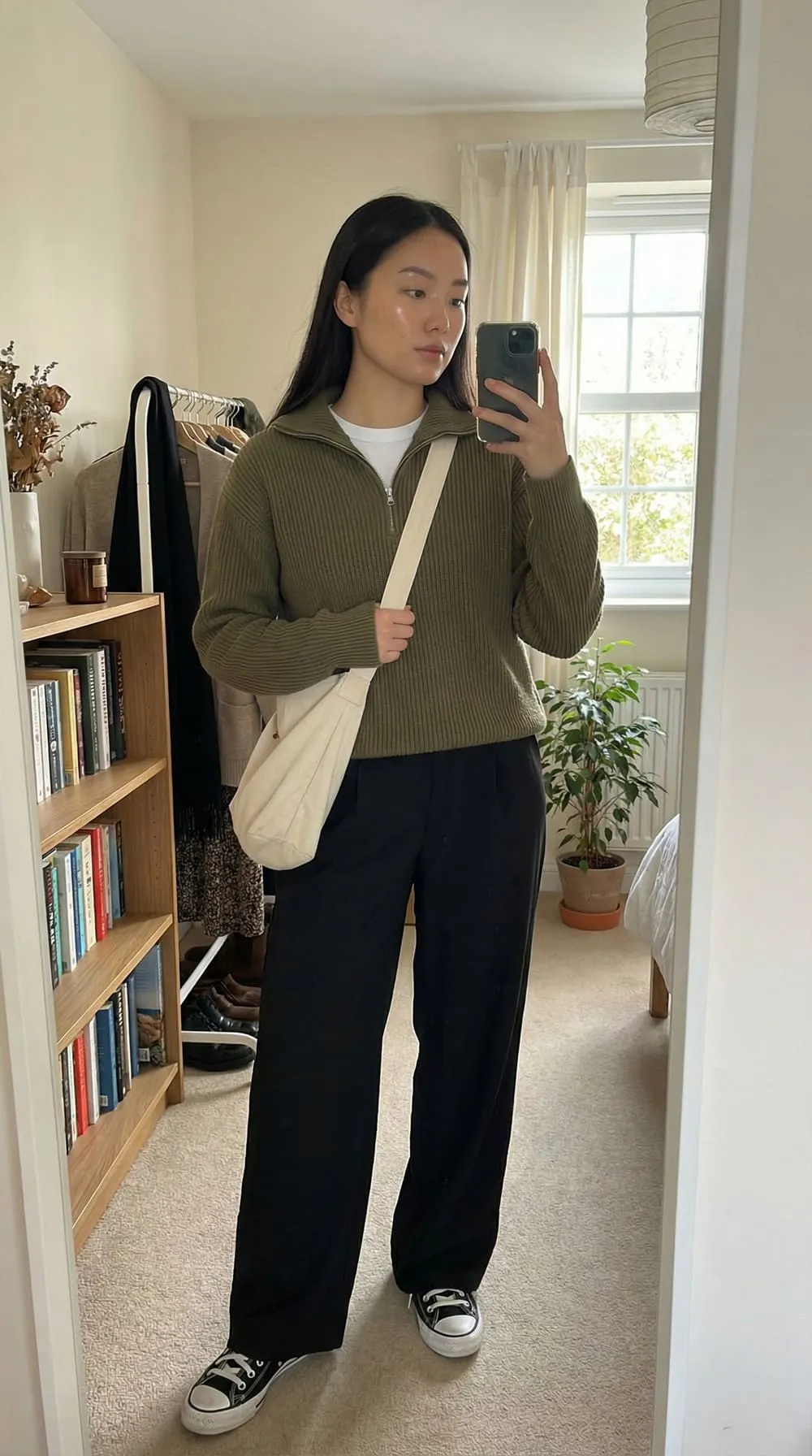
Why AI Dating Photos for Women Are a Different Game
Generic dating-photo advice is written for an average user who is mostly trying to get more attention. Most women have the opposite problem, and that changes the strategy in three concrete ways.
Quality over quantity. A profile engineered to maximize raw swipes (a single striking glamour shot, lots of skin, one perfect angle) tends to pull in volume and the wrong kind of it. If you want men who read profiles and want something real, your photos should signal a personality and a life, not just a face. Variety and warmth out-recruit polish every time.
You are being scanned for fakery. Research on AI-image detection in online dating has found that women tend to be more skeptical of photos than men are — quicker to flag something that looks too smooth, even occasionally doubting real photos. Assume the men you actually want are running the same skepticism. An obviously AI-perfect profile reads as a catfish risk and gets passed over by the careful people and clicked by the careless ones.
Safety is part of the brief. For women, photo choices intersect with real-world safety in ways that rarely come up in advice aimed at men: what your photos reveal about where you live, whether a background photo can be reverse-searched to your workplace, and how the gap between profile and reality plays out when you meet a stranger alone. We will come back to this in detail.
The takeaway: your north star is not "look as attractive as possible." It is "look genuinely like the most relaxed, well-presented version of the real you, in a way that filters for the matches you want and out the ones you don't."
The Lineup: How to Build a Profile That Attracts Quality
In our experience, strong profiles are not one great photo repeated; they are a small, varied set that together tells a story. Five to six photos is the sweet spot across Tinder, Bumble, and Hinge: enough to show range, few enough that every image earns its slot. AI can fill several of these, but the finished profile should feel like different days, different moods, and a real life.
Here is a lineup that works, with notes on which slots AI handles well and which are better as genuine candids:
| Slot | Photo type | What it does | AI or real? |
|---|---|---|---|
| 1 | Clear head-and-shoulders shot, genuine smile, eye contact | The gatekeeper: most swipe decisions hang on this one image | AI works well; keep it natural |
| 2 | Full-body shot, casual outfit, good posture | Builds trust by showing your real shape; its absence reads as hiding something | AI works; use an outfit you actually own |
| 3 | Activity or hobby shot (hiking, painting, climbing, cooking) | Gives someone a specific thing to message you about | Real candid is ideal; AI can approximate |
| 4 | Social or "out in the world" shot | Shows you have a life and are easy to be around | Real preferred (group shots are hard for AI) |
| 5 | A laughing or mid-motion candid | Off-guard warmth; the most "human" image in the set | Real candid wins here |
| 6 | One styled "dressed-up" photo (optional) | Shows range and that you clean up well | AI works well for this |
Two structural rules matter more than any single photo. First, lead with the face. Slot one does the heaviest lifting, so it should be your clearest, friendliest, best-lit image, no sunglasses, no hat, no other people to create "which one is she?" confusion. Second, never skip the full-body shot. Women sometimes drop it out of self-consciousness, but to a careful reader its absence is a yellow flag that suggests something is being hidden. A relaxed, confident full-body photo builds more trust than a wall of flattering close-ups.
Outfits, Lighting, and Expression: Getting the Details Right
This is where AI dating photos for women either sing or fall flat. The settings you choose at generation time decide whether the result looks like a Tuesday you'd actually have or a stock-photo stranger.
Outfits That Read as "Real You"
The wardrobe should match a life someone could picture sharing. A few concrete moves:
- Dress for the matches you want. If you want someone who'll join you on weekend hikes, a clean activewear shot does more than a cocktail dress. If you love going out, one dressed-up photo signals it. But only one.
- Pick clothes you genuinely own or would wear. A flowing designer gown you'd never put on creates the same trust gap as a face that isn't yours. The point of an outfit photo is "this is my taste," not "this is a costume."
- Avoid the matched-set tell. If every photo shows the same top, the profile screams "one photo session, then I gave up." Different outfits across slots signal an actual life with actual days in it.
- Skip anything that's all skin. Even a single overtly sexy shot reliably skews your matches toward men who aren't reading your profile. If quality is the goal, let warmth and personality carry the attraction.
Lighting That Flatters Without Faking
Lighting is the difference between "polished" and "plastic." Aim for soft, directional, natural-looking light:
- Window light and golden hour are the most forgiving and the most believable. They flatter skin without erasing it.
- Avoid harsh overhead or flat studio light that flattens your features or produces that slightly too-perfect, lit-from-everywhere glow AI sometimes defaults to.
- Match light to scene. If the background is an overcast park, the light on your face should be soft and cool, not a sunny golden glow. Mismatched lighting is one of the fastest ways a viewer's gut whispers "fake."
Expression and Body Language
A genuine, slightly imperfect smile beats a magazine-perfect one every time. The expression you want is approachable: the look of someone a thoughtful person would feel safe messaging first. Direct eye contact in your lead photo creates connection; a mid-laugh candid further down the set shows the guard-down version of you. Relaxed shoulders, open posture, and a real smile that reaches the eyes do more for "quality match" energy than any amount of retouching.
Natural vs. Over-Filtered: Where Women Lose Matches
If there is one failure mode that sinks women's AI profiles, it is over-smoothing. The instinct to erase every pore, line, and shadow is understandable, but the result is the opposite of attractive. It reads as inauthentic, and to a skeptical viewer, as a potential catfish.
The fixes are mostly about restraint:
- Keep your skin looking like skin. Texture, faint lines, and a stray flyaway hair are what make a photo read as a real human. A face with zero texture trips the "this is generated" alarm instantly.
- Hunt for the tells, then discard. Zoom in on hands and fingers, teeth, ears, jewelry, the edges of glasses, and any text in the background (signs, book spines, logos). These are where AI still slips. One warped hand or a melted earring undoes an otherwise great photo.
- Watch the eyes and hairline. Subtly mismatched eyes, a too-symmetrical face, or a hairline that doesn't quite behave are quieter tells that something is off even when a viewer can't name it.
- Run the recognizability test on every image. If a photo makes you pause and think "that doesn't totally look like me," trust that instinct and delete it. Your match's gut will catch the same thing.
The most trustworthy profiles are not flawless — they are believable. We’ve found that blending a couple of genuine, unedited candids in with your AI photos is the single most effective way to keep the whole set grounded. A profile that is part real, part AI-enhanced reads as far more honest than one that is suspiciously perfect from top to bottom.
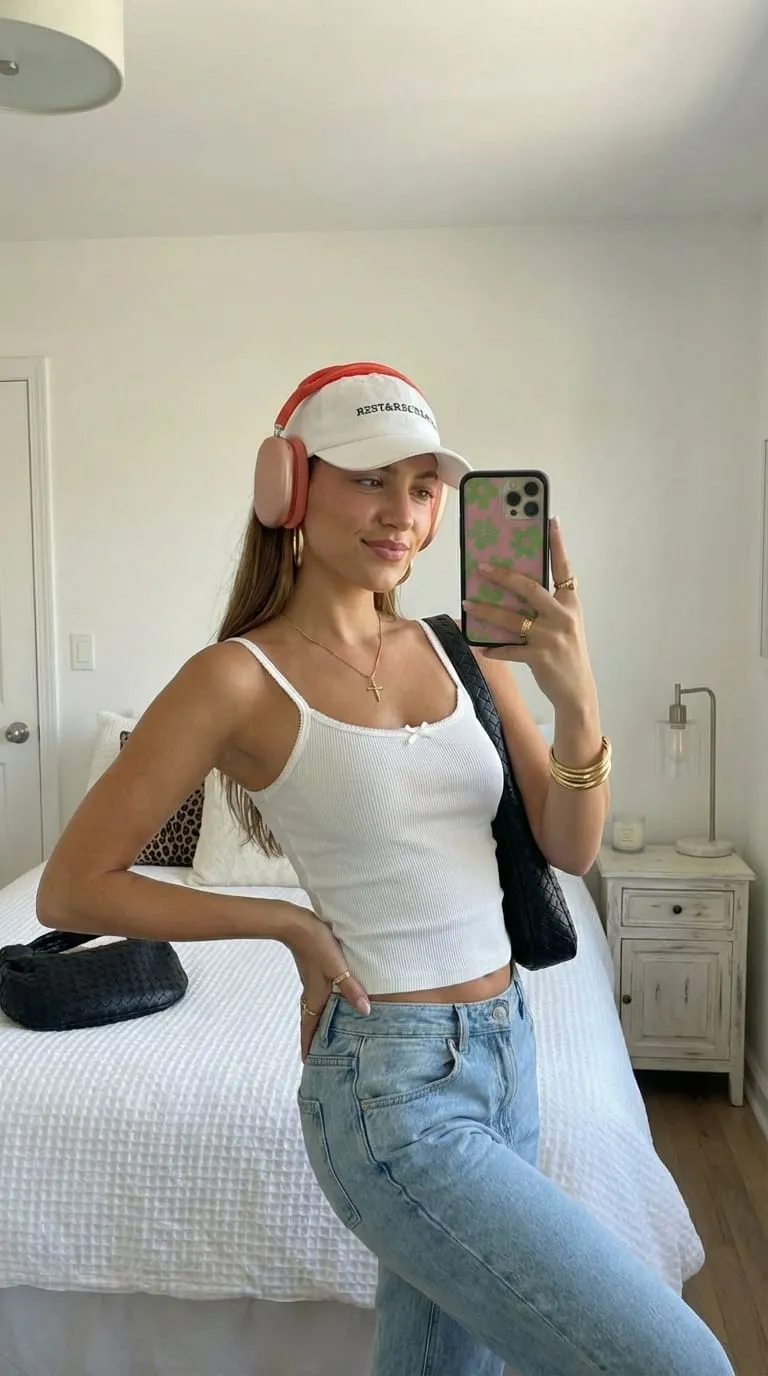
Common Mistakes Women Make with AI Dating Photos
The pattern we see most is that failures cluster into a short list. Avoid these, and you're already ahead of the field:
- Going all-AI. A profile made entirely of generated images is a red flag, and apps are getting better at detecting AI content. Cap your AI photos at two or three and mix in real shots.
- Over-beautifying past recognizability. Slimming, de-aging, and pore-erasing don’t just look fake; they guarantee an awkward first-date moment when reality arrives.
- Uniformity. Same outfit, same background, same angle, same expression across every photo. It looks generated even when it isn't, and it signals a static life.
- Leading with a group shot or a heavily obscured face. Sunglasses, hats, and "spot me in the crowd" photos in slot one cost you the swipe before you've made your case.
- No full-body photo. As covered above, careful readers treat the omission as something to be suspicious of.
- Sexy-shot overcorrection. Optimizing for raw volume with revealing photos floods you with exactly the matches you said you didn't want.
- Ignoring backgrounds. A generated café with a garbled menu board or a warped bookshelf is an instant tell. Choose clean, plausible backgrounds and inspect the details.
Safety and Privacy: What Every Woman Should Consider
This section matters more for women than almost any other, and it's where most AI-photo guides go quiet. A few things are worth thinking through honestly.
Where your selfies go. When you upload reference photos to train a model, you're handing your face to a company. In 2026, reporting surfaced that millions of dating-app images had been used to train AI systems, drawing regulatory scrutiny, a useful reminder to read the fine print. Before you upload, check: Does the tool have a clear deletion policy? Does it promise not to resell or reuse your images? Can you delete your model and source photos when you're done? Prefer tools that answer those questions plainly over ones that stay vague.
The recognizability rule is also a safety rule. Beyond honesty, photos that actually look like you protect you in the real world. If you meet someone and you look meaningfully different from your profile, the situation gets awkward at best and unsafe at worst. Looking like yourself means your date (and you) both know who's showing up.
Backgrounds leak information. Photos can quietly reveal your neighborhood, your gym, your regular café, or your workplace. AI-generated backgrounds can actually help here, replacing identifiable real locations with neutral, plausible ones. But still scan every image for street signs, building names, address numbers, or a visible workplace badge before it goes live.
Image-based abuse disproportionately targets women. The same generative tools that make a flattering portrait can be misused to fabricate intimate images, and that harm overwhelmingly lands on women and girls. This isn’t a reason to avoid AI photos. It's a reason to be selective about which platforms you trust with your face, and to favor reputable tools with real privacy commitments over anonymous apps with none.
The privacy upside. There's a genuine benefit worth naming: a well-made AI portrait set can let you present authentically without seeding your dating profile with the exact same images that are reverse-searchable to your LinkedIn or Instagram. Used thoughtfully, that breaks the link between your dating profile and your professional identity, which can reduce doxxing and stalking risk. The goal isn’t anonymity; it’s controlling which version of your photos lives where.
App-Specific Notes for Women
Each platform has its own visual culture, and the lineup above should be tuned to fit.
On Tinder, decisions happen fast and visually. Your lead photo needs to do almost all the work: a clear, warm, well-lit face shot with genuine eye contact, followed by a full-body and one or two lifestyle images. For style notes tailored to what performs for women, the Tinder photo generator for women guide is a focused starting point.
On Bumble, where women message first, approachability is everything. Bright, open expressions and at least one photo hinting at a hobby give you an easy opening line and give the right men a reason to be worth your message. See the Bumble photo generator page for the look that tends to land.
On Hinge, the app is built for relationships and rewards photos that tell a small story. Lean into variety: a sharp headshot, a real full-body shot, and a couple of candid, activity-based images that hang off Hinge's prompts and give people something specific to react to. The Hinge photo generator guide walks through building that narrative set.
For a broader, app-agnostic walkthrough of what makes a strong female dating profile, the dating photos for women guide pulls the principles together in one place.
Using AI While Staying Authentically You
The healthiest way to think about all of this: AI photos are a presentation tool, not a disguise. Dating platforms have converged on the same line: enhancing your lighting, background, or an outfit you actually own is fine; inventing a different face, body, or age is not. Tinder’s own community guidelines reduce to "be yourself and don't misrepresent your identity or appearance," which is a clean rule for every app.
So treat AI as the thing that removes the obstacles (bad lighting, no photographer, a camera roll full of near-identical bathroom selfies) between the real you and a profile that finally looks like you. Train a model on recent, varied, well-lit selfies; generate a batch; then be ruthless about keeping only the images that pass the recognizability test and blend naturally with a couple of real candids. A tool like TryOnWise, for instance, builds a personal model from your selfies and lets you generate a varied set across different outfits and settings, closer to a real photoshoot than a one-tap filter. But the discipline is the same with any tool: keep it you.
Done this way, AI doesn't make your profile less authentic. It makes it look as good as you already do on your best day — which is exactly the version of you a quality match was hoping to find.
Frequently Asked Questions
Do AI dating photos actually work for women?
They can, when they're honest. Clear, varied, well-lit photos consistently outperform blurry or low-effort ones, and a good AI generator helps you reach that quality bar without a photoshoot. For women specifically, the win isn’t more matches; it’s better ones, because a profile that signals a real personality and life filters for thoughtful people. The catch is that the photos have to still look like you.
How many AI photos should I use in my profile?
Cap it at two or three, and mix them with genuine candids. A profile made entirely of AI images reads as a catfish risk to the careful matches you want, and apps are increasingly good at flagging fully AI content. The most trustworthy profiles blend a couple of polished AI shots with real, slightly imperfect photos so the whole set feels like a believable human.
Will men be able to tell my photos are AI-generated?
Sometimes. Research suggests women and skeptical viewers are quick to spot over-smooth images. Common tells are distorted hands, odd teeth or ears, warped background text, lighting that doesn't match the scene, and skin with no texture at all. The better your reference selfies and the more restraint you use, the harder these are to catch. Always discard any image that looks even slightly "off."
Are AI photos allowed on Tinder, Bumble, and Hinge?
Generally yes, as long as they still look like you. These apps don't ban AI enhancement; they ban misrepresenting your identity, age, or appearance. An AI portrait trained on your own face, with better lighting or an outfit you actually own, fits the rules. A photo showing a different face or body does not. Policies evolve, so check each app's current terms.
Is it safe to upload my selfies to an AI photo tool?
It depends on the tool. Before uploading, confirm there's a clear deletion policy, a promise not to resell your images, and a way to remove your data when you're done. Favor reputable services with explicit privacy commitments over anonymous apps. Given that image-based abuse disproportionately targets women, being selective about who you trust with your face is simple prudence, not paranoia.
How do AI dating photos protect my privacy?
A custom AI photo set lets you present yourself without reusing the exact images already tied to your LinkedIn or Instagram, which makes reverse-image searches to your professional or personal accounts harder. AI-generated backgrounds can also replace identifiable real locations (your gym, your street, your office) with neutral ones. The aim isn't to hide who you are; it's to control which photos live where.
What's the biggest mistake women make with AI dating photos?
Over-beautifying past the point of recognizability. Slimming the jaw, erasing every pore, or shaving off years feels flattering in the moment, but it reads as fake online and creates an awkward, trust-damaging gap on the first date. Aim for "me on a great day," keep your real features, and let warmth and variety do the attracting.
How many photos do I need to train an AI model?
Most tools work well with about 5 to 15 reference selfies. Quality and variety matter far more than count: recent, well-lit photos from a few different angles and expressions produce dramatically better results than a large pile of dim, near-identical shots. Skip heavy filters, sunglasses, and group photos where your face is small.
Conclusion
AI dating photos for women aren't a cheat code for looking like someone else. They’re a faster, cheaper way to finally show up as the most relaxed, well-presented version of you. Build a varied six-photo lineup that leads with a warm, clear face shot and includes an honest full-body image. Keep lighting soft and natural, outfits true to your taste, and skin looking like skin. Cap the AI photos, blend in real candids, and run every image through the recognizability test.
Do that, and your profile does the quiet sorting for you, attracting the men who read profiles and want something real, and gently filtering out the rest. The technology is just the photographer that's always available. The authenticity, and the quality matches that follow from it, are still entirely yours.