There is a gap between needing good photos and being able to get them. You want a profile picture that looks like you on a great day, a headshot that does not embarrass you on LinkedIn, or a dating set that does not scream "bathroom mirror." The traditional answer was to hire a photographer, block out an afternoon, and pay for it. The newer answer is to upload a few selfies and let software do the rest. The honest question buried in all the hype is AI photos vs hiring a photographer: which one actually gives you better pictures for the money, the time, and the use case you have in front of you?
This guide does not pick a side and sell it to you. We will lay out the real numbers on cost and turnaround, the genuine quality trade-offs (including where AI still fails), how variety and creative control compare, a side-by-side table, and clear advice on when each option wins. By the end you should know exactly which path fits your situation, and when blending both beats either one alone.
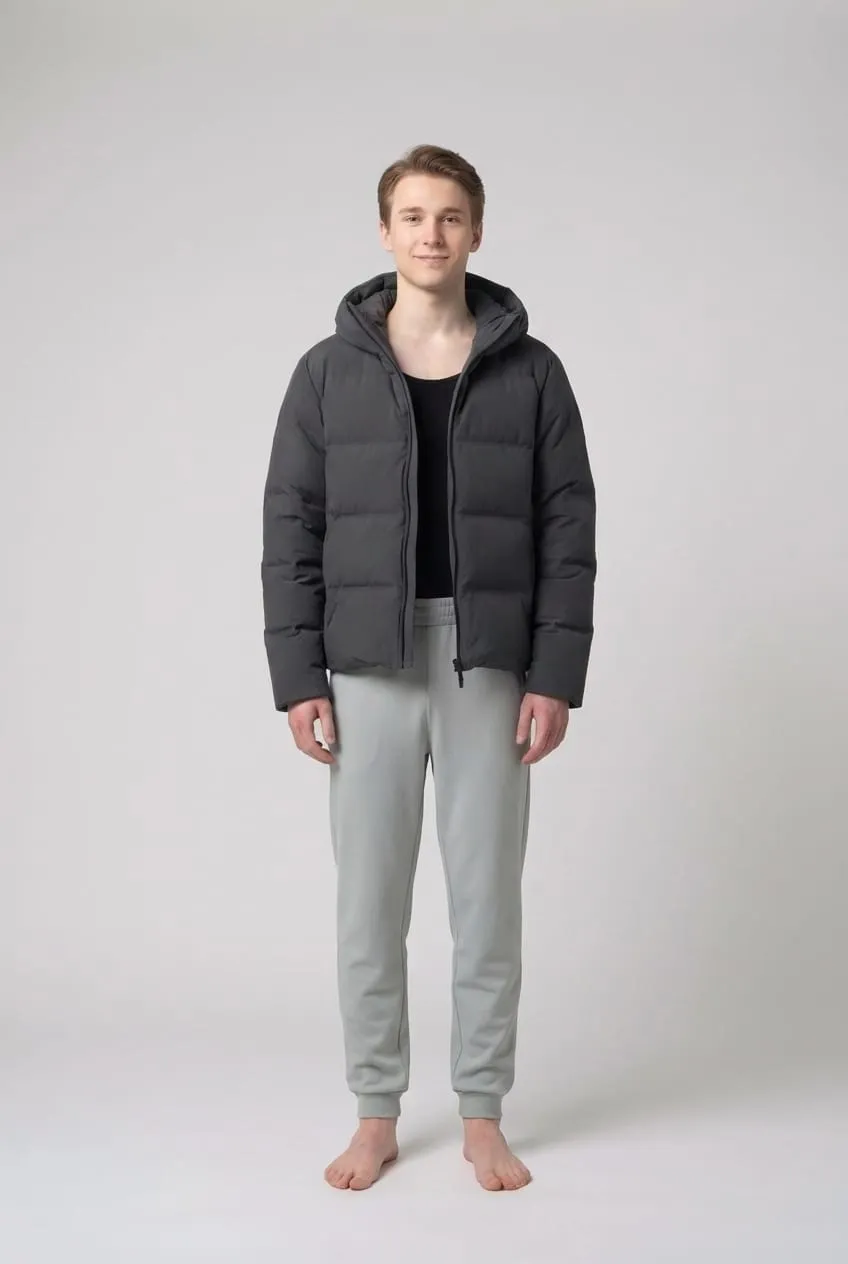
The Real Cost: AI Photos vs Hiring a Photographer
Cost is where the two options look most lopsided, so it is worth getting specific rather than waving at "expensive" versus "cheap."
Pricing aggregators like Thumbtack put a professional portrait or headshot session in 2026 at roughly $100 to $500, with the average landing around $200. Hourly rates for portrait work typically sit between $100 and $300, and experienced specialists charge more. In major markets like New York and California, expect to pay 50 to 100 percent above those figures. Dating-specific photographers are a real niche now, and their packages reflect it: one published price list shows roughly $650 for a one-hour, two-outfit shoot with two edited portraits, and about $950 for two hours, three outfits, and six edited images.
There is a hidden multiplier, too. A session fee is rarely the final number. Edited, retouched, print-ready files are often priced separately, and many sessions deliver only a handful of "keepers"; three or fewer final images is common. Divide the session cost by the photos you would actually use, and the per-usable-image price climbs quickly.
AI photo generators sit at the other end. A one-time AI photoshoot typically costs $27 to $50, or $9 to $20 per month on a subscription, and returns dozens of finished images, often 50 to 100, from a single upload of selfies. On a pure cost-per-image basis, AI is routinely 90 percent cheaper.
But the honest comparison includes longevity. A strong professional session can stay current for three to five years if your look does not change much. AI photos tend to get refreshed every 6 to 12 months, partly because they are cheap enough to redo on a whim and partly because styles and tools move fast. Spread over time, the real-world cost gap is smaller than the sticker prices suggest. Even so, AI still wins on cost for almost everyone.
Time and Convenience
The cost difference is dramatic; the time difference is arguably larger.
Hiring a photographer is a project. You research portfolios, check availability, book a date that may be weeks out, coordinate wardrobe, possibly arrange hair and makeup, travel to a studio or location, shoot for an hour or two, then wait days to weeks for edited files. If the weather turns or you are not feeling photogenic that day, you live with it or rebook.
AI compresses all of that into a single sitting. You select 10 to 20 good selfies, upload them, choose a few styles, and receive a full batch within minutes to a few hours. No scheduling, no travel, no waiting on an editor's queue. If you do not like the first batch, you regenerate. Same day, no awkward conversation about a reshoot fee.
That convenience is the single biggest reason people reach for AI for routine needs. When you need a fresh profile photo this evening rather than next month, a photographer simply cannot compete on speed. The trade-off is that convenience removes a human who can react to you in the moment, coach your posture, and notice the shot you would never have asked for.
Quality: Where Each Wins
Quality is the most contested part of the AI photos vs hiring a photographer debate, and the truth is split.
For casual, screen-sized viewing, modern AI is genuinely good. A widely cited 2022 PNAS study found people could distinguish AI-generated faces from real ones with only about 48 percent accuracy (essentially a coin flip), and rated the synthetic faces as slightly more trustworthy than real ones. For a dating app thumbnail or a small social avatar, most viewers will never suspect a thing.
Look closer, though, and AI still leaves fingerprints. The recurring failure modes are consistent:
- Likeness drift. AI tools routinely shave years off your age, slim a jaw, or smooth skin into a poreless, waxy finish. In our experience, the most common complaint about AI headshots is simply "it does not look like me."
- Lighting tells. Catchlights (the reflections in your eyes) often do not match the lighting on your face, a giveaway trained observers and even forensic analysts use to flag synthetic images.
- Detail breakdown. Hands, teeth, ears, jewelry, glasses, and any background text are where AI still slips. Zoom in and the illusion can crack.
A professional photographer wins on the things AI cannot fake: a real moment, a genuine laugh caught mid-motion, the texture of actual light on actual skin, and a face that is unmistakably, verifiably you. That authenticity matters more in some contexts than others, which is the whole point of choosing deliberately.
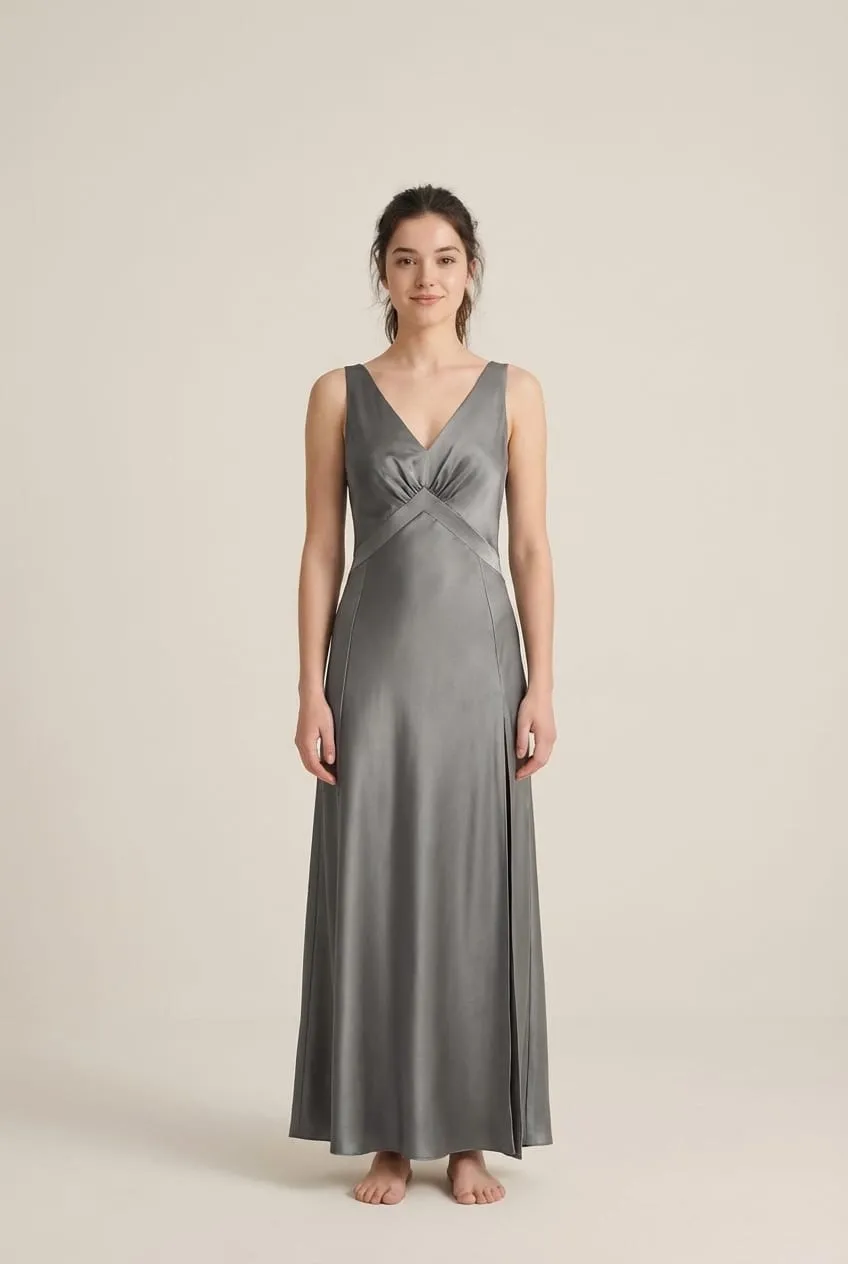
Variety and Control
Here the comparison flips in an interesting way.
AI is the clear winner on raw variety. From one upload you can generate a corporate headshot, a casual coffee-shop portrait, an outdoor lifestyle shot, and a dressed-up evening look (different outfits, backgrounds, and angles) without changing clothes or leaving your chair. Want ten more options in a different setting? Regenerate. For building a profile that reads like a person with a real life, that breadth is hard to match at any price.
A photographer, by contrast, is constrained by the session. Two outfits and one location in an hour is typical; you are not getting twelve distinct "scenes" out of a single booking without paying for more time. The variety you get is real and physically grounded, but it is finite and front-loaded into one day.
Control splits differently. With AI you control the menu (styles, scenes, wardrobe categories) but not the fine-grained outcome. You cannot say "tilt your chin two degrees and soften that shadow"; you steer with prompts and presets and then sort through what comes back. A photographer gives you directed control: a human reads the photo in real time, adjusts the light, fixes your posture, and chases the specific shot you describe. If you have an exact vision, a person can execute it. If you want maximum options with minimum effort, the machine wins.
AI Photos vs Hiring a Photographer: Side-by-Side
| Factor | AI Photo Generator | Hiring a Photographer |
|---|---|---|
| Cost | ~$27–$50 one-time, or ~$9–$20/month; 50–100 images | ~$100–$500+ per session; dating packages $650–$950; often few "keepers" |
| Time | Minutes to a few hours, same day, regenerate freely | Booking days–weeks out; shoot + edit delivery in days–weeks |
| Quality | Excellent at screen size; tells in hands, eyes, skin on close inspection | True-to-life, genuine moments, real light; verifiably you |
| Variety | Very high: many outfits, scenes, and angles from one upload | Limited per session (typically 1–2 outfits, 1 location, a few edits) |
| Control | Menu-level (styles/scenes/presets); no real-time direction | Fine-grained, human-directed posing, lighting, and reshoots |
| Authenticity | Depends on reference quality; can drift from real you | Captures the real you in a real place and moment |
| Best for | Dating, social, routine profile refreshes, tight budgets/timelines | Executive branding, milestones, events, high-trust professional use |
When AI Photos Win
For a large share of everyday needs, AI is simply the rational choice.
- Dating profiles. You need variety and flattering light more than you need a documented moment. Casual viewing forgives AI's weak spots, and you can tailor the set to each app. Our guides for dating photos for men and the AI headshot generator cover how to build a set that performs.
- Social media and routine profile pictures. When you refresh your avatar a few times a year, paying $200 each time is hard to justify.
- Tight budgets or timelines. Students, job seekers between paychecks, or anyone who needs something tonight gets a usable result for the price of lunch.
- Experimentation. Trying different styles, vibes, or looks is nearly free with AI and expensive with a photographer.
In all of these, the stakes are low enough that AI's imperfections rarely matter, and its speed and variety are exactly what you want.
When Hiring a Photographer Wins
Just as clearly, there are situations where a person behind the camera is worth every dollar.
- High-trust professional contexts. In real estate, law, finance, healthcare, and executive roles, an artificial-looking headshot can backfire. One recruiter survey of more than a thousand hiring managers found that while 76 percent preferred AI headshots in blind comparisons, about two-thirds were put off once they learned a photo was AI-generated. Platforms like LinkedIn are also getting better at detecting synthetic images. When credibility is the product, authenticity matters.
- Milestones and PR. A major promotion, a book launch, a speaking career, a company rebrand — moments where your face is front and center deserve a real shoot.
- Real moments with real people. Events, couples, families, and candid documentary work cannot be generated. AI makes portraits of you; it cannot capture you and your grandmother laughing at a wedding.
- When you have an exact vision. If you need a specific look executed precisely, human direction beats prompt-and-pray.
The pattern: the more scrutiny, trust, or genuine human moment involved, the more a photographer earns their fee.
The Hybrid Approach: What Smart People Actually Do in 2026
The framing of AI photos versus hiring a photographer is a little misleading, because the most effective people in 2026 are not choosing one forever. They are matching the tool to the job.
The pattern we see most looks like this: invest in a real photographer once every couple of years for the high-stakes anchor images (the executive headshot, the brand shoot, the milestone), and use AI for everything routine in between. That might mean budgeting a few hundred dollars a year for the big moments and a small monthly amount for the constant churn of profile and social photos.
You can also use the two in sequence. Generate AI options first to discover which styles, outfits, and angles actually flatter you, then walk into a paid shoot knowing exactly what you want instead of guessing on the clock. The AI becomes a free rehearsal that makes the expensive session faster and better. And on the profile itself, mixing a couple of genuine candids with AI-enhanced shots reads as more trustworthy than a feed that is suspiciously flawless top to bottom. Tools like the professional photo generator make that prototyping step cheap enough to be worth doing every time.
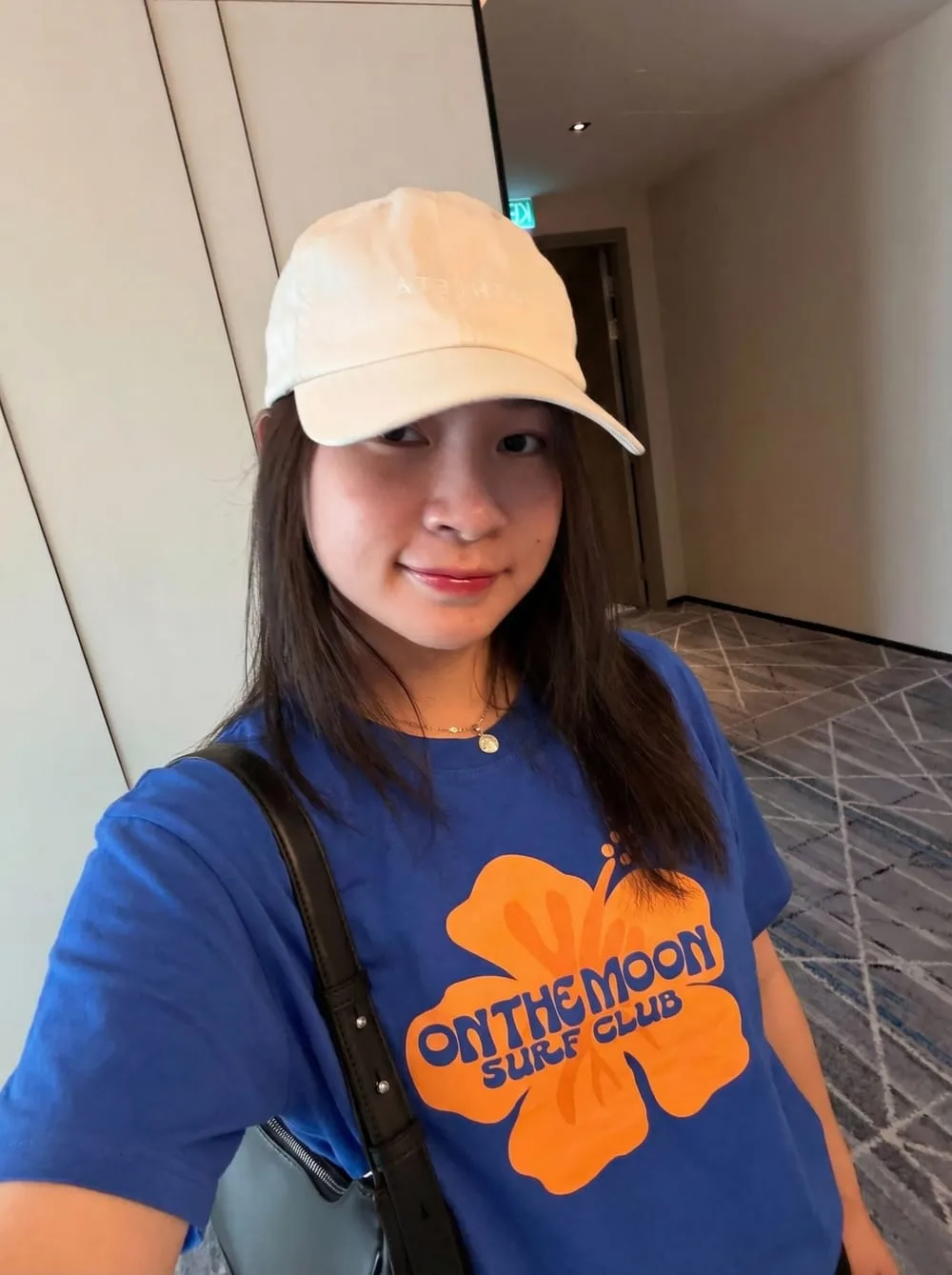
Realistic Expectations of AI Today
If you take one thing from this comparison, make it this: AI photos are a tool, not magic, and treating them honestly is what separates results that help from results that hurt.
Three honest caveats. First, garbage in, garbage out: the quality of your selfies sets the ceiling. Dim, filtered, or near-identical references produce mediocre, generic output no matter how good the tool is. We've found that feeding it five to fifteen recent, well-lit photos from varied angles fixes more problems than switching tools ever does. Second, the tells are real. Always zoom in on hands, eyes, teeth, and edges, and discard anything that makes you pause. Third, and most important, do not misrepresent yourself. Dating apps and professional networks draw the line at inventing a different face, body, or age. The working test is simple: if the person who meets you in real life would recognize you within a few seconds, your photos are honest. If they would feel a gap, the photos have over-promised, and that gap quietly erodes trust before a word is exchanged.
Used within those limits, an AI photo generator does not fake who you are. It removes the bad lighting, scheduling, and thin camera roll standing between the real you and a profile that finally looks like you. A studio like TryOnWise builds a model from your own selfies and lets you generate a varied, realistic set, which is closer to a guided photoshoot than a one-tap filter. But the same rules apply: keep only the shots that genuinely look like you.
Frequently Asked Questions
Are AI photos as good as a professional photographer?
It depends on the use. For screen-sized, casual viewing like dating apps and social avatars, modern AI is often indistinguishable from a real photo to most people. For high-resolution prints, scrutinized professional headshots, or anything requiring a genuine documented moment, a photographer still produces more authentic, reliably accurate results. AI matches photographers on convenience and variety; photographers win on authenticity and fine control.
Is it cheaper to use AI than to hire a photographer?
Almost always, yes. A photographer typically costs $100 to $500 or more per session and delivers a handful of edited images, while an AI photoshoot runs roughly $27 to $50 (or $9 to $20 monthly) for dozens of finished photos. On a per-usable-image basis, AI is commonly around 90 percent cheaper. The gap narrows slightly over time because professional sessions stay current longer, but AI remains the budget winner.
Can people tell if a photo is AI-generated?
Sometimes. A 2022 study found people guessed right only about 48 percent of the time on faces alone, so casual viewers usually cannot. But trained observers and curious skeptics look for tells: mismatched catchlights in the eyes, waxy poreless skin, distorted hands, odd teeth or ears, and garbled background text. Better reference photos and better tools shrink these tells, and mixing in a few real candids makes a profile far harder to question.
Are AI photos allowed on dating apps and LinkedIn?
Generally yes for enhancement, no for deception. Dating apps permit better lighting, restyled outfits you actually own, and flattering angles, but ban misrepresenting your identity, age, or appearance. LinkedIn allows AI-assisted photos but is increasingly able to detect synthetic images, and recruiters often react negatively when they realize a headshot is artificial. The safe approach everywhere is to ensure the photo still clearly and accurately looks like you.
When is hiring a photographer worth it?
When trust, scrutiny, or a real moment is involved. Executive and personal-brand headshots, regulated fields like law and finance, career milestones, PR, and any work where your face is prominently featured all justify a real shoot. So does anything you cannot generate — events, couples, families, and candid documentary photos. If the cost of looking artificial is higher than the cost of the session, hire the photographer.
How many selfies do I need for good AI photos?
Most tools work well with about 5 to 15 reference selfies, and quality matters far more than quantity. Use recent, well-lit photos taken from a few different angles and with varied expressions. Avoid heavy filters, sunglasses, and group shots where your face is small. A small set of strong, varied references produces dramatically better likeness than a large pile of dim, near-identical photos.
Do AI dating photos actually work?
They can, when used honestly. Clear, well-lit, varied photos consistently outperform blurry or low-effort ones, and AI helps you reach that bar without a paid shoot. The catch is that the photos must match the person who shows up to the date. Profiles win when the images look great and look like you: AI used to present your real self at its best, not to invent someone new.
Should I use AI or a photographer for a LinkedIn headshot?
For most professionals, AI is fine for a clean, current LinkedIn headshot, especially if you refresh it often. But if you are in a high-trust field, a senior leader, or someone whose face is part of their professional reputation, a real photographer reduces the risk of an artificial-looking image undermining your credibility. Many people split the difference: a professional shoot for the anchor headshot, AI for everything else.
Conclusion
The real answer to AI photos vs hiring a photographer is not a winner and a loser — it is a matching problem. AI wins decisively on cost, speed, and variety, and it is more than good enough for dating profiles, social media, and routine refreshes where casual viewing forgives its weak spots. A photographer wins on authenticity, fine control, and genuine moments, and is worth the money when trust is high, scrutiny is real, or the photo needs to document something that actually happened.
Be honest about what you need and where the eyes will land. Use AI for the everyday, hire a photographer for the high-stakes anchors, and let the cheap option rehearse the expensive one. Do that, and you stop arguing about which tool is "better" and start using each for exactly what it is good at — which is how you end up with photos that look like the best, most real version of you.