Intro
Hinge is not Tinder with a different logo. The best photos for Hinge aren't just attractive. They're built to start a conversation, fill six specific slots, and pair with prompts that give someone an obvious reason to comment. Treat Hinge like a swipe app and you'll get likes that go nowhere. Treat it like the relationship-intent, comment-driven app it actually is, and a thin photo set suddenly turns into matches that reply.
The catch is that almost nobody plans their Hinge profile this way. The pattern we see most is the same: people upload six random photos from their camera roll, write three lazy prompts, and assume the algorithm will sort it out. It won't.
This guide breaks down how Hinge actually works under the hood, the exact 6-photo lineup that performs, how to pair each photo with the right prompt, what earns likes versus comments, the mistakes that quietly tank profiles, and how to build a conversation-starting set even if your camera roll is mostly group shots and bad lighting.
How Hinge actually works (and why it changes your photos)
Before you pick a single image, you need to understand what Hinge is optimizing for, because it's different from every other app.
Hinge is "designed to be deleted." That tagline isn't marketing fluff. It shapes the whole product. Hinge wants you off the app in a relationship, not endlessly swiping. So the experience is built around depth over volume: fuller profiles, fewer but more intentional likes, and conversations that actually start.
Likes attach to a specific photo or prompt, and they can carry a comment. On Tinder you swipe on a person. On Hinge you like one thing: a particular photo or a particular prompt answer. When someone likes a photo of you bouldering, they're telling you exactly what caught them. Better still, Hinge lets people attach a comment to that like, and Hinge's own data has long pointed to the same thing: a like sent with a comment is far more likely to get a response and lead to a conversation than a bare like. Your photos, in other words, are being mined for something to talk about. A great Hinge photo basically writes the other person's opening line for them.
You need six photos to use the app properly. Hinge requires several photos to complete your profile, and the app strongly nudges you to fill all six slots. A complete, varied profile reads as a quality signal; a half-empty one reads as low-effort and gets shown less.
The algorithm rewards mutual interest, not raw attractiveness. Hinge leans on a recommendation engine it calls Most Compatible, built on a version of the Gale–Shapley "stable matching" approach used in economics. Instead of just showing you the hottest profiles, it learns who you like and who is likely to like you back, then pairs people with a high probability of mutual interest. In early tests, Hinge reported users were 8x more likely to go on a date with their Most Compatible match than with other recommendations. Practically, that means engagement matters: the more your photos earn genuine likes and comments, and the more thoughtfully you like and comment back, the better the algorithm understands you and the better your matches get.
The takeaway: on Hinge you're not winning a three-second beauty contest. You're assembling a small, varied, comment-friendly set that signals you're a real person looking for something real.
The ideal 6-photo Hinge lineup
Six slots, six jobs. The mistake is uploading six versions of the same photo: same angle, same outfit, same energy. Each slot should add new information about your face, your body, your life, and your personality. Here's the lineup that consistently performs.
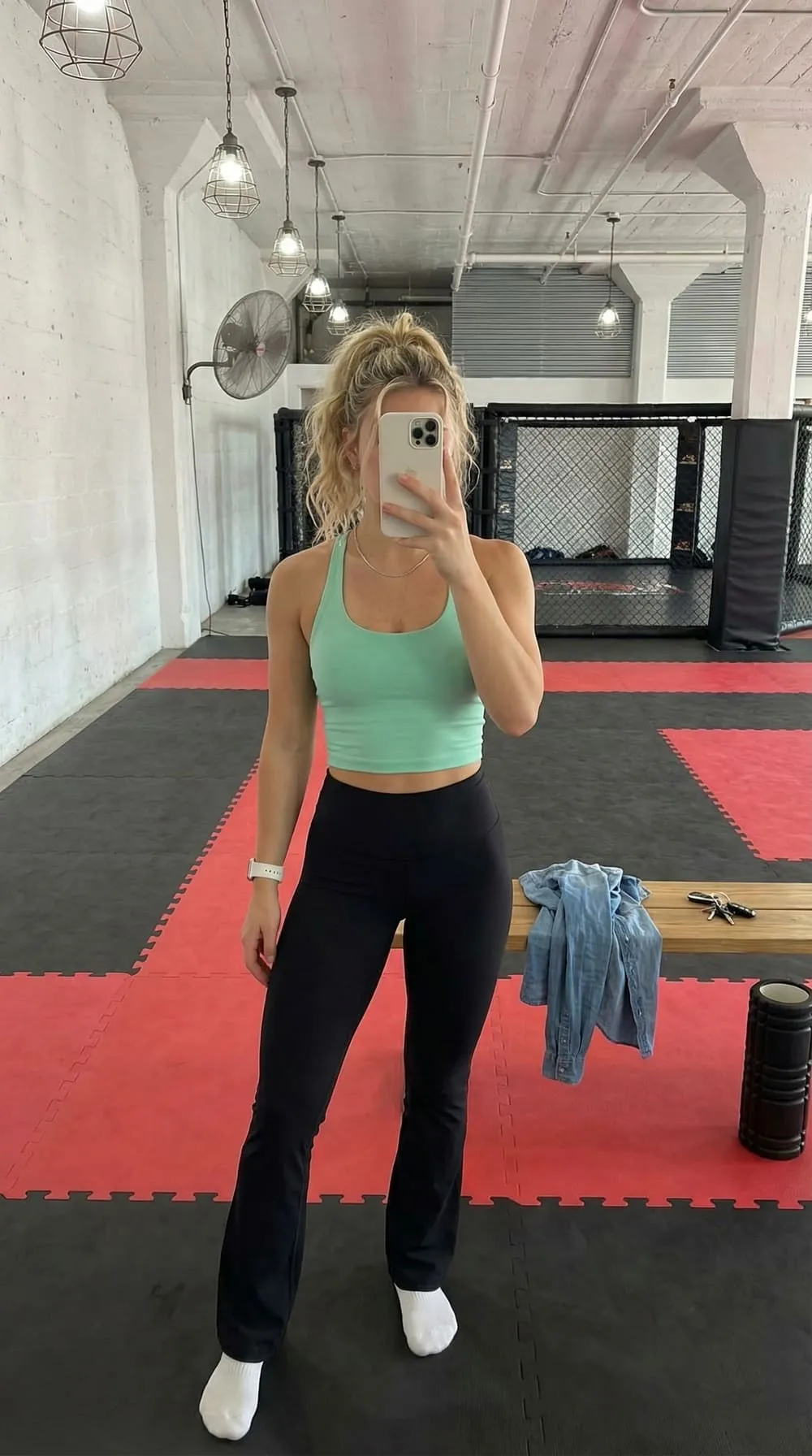
| Slot | Photo type | The job it does | Quick spec |
|---|---|---|---|
| 1 | Clear face / headshot | "Is this someone I'm attracted to and can trust?" | Head-and-shoulders, front-facing, eyes on camera, genuine smile, clean background, no sunglasses |
| 2 | Full-body shot | Removes guesswork and builds trust | Natural setting, head-to-toe visible, no heavy crop or baggy disguise |
| 3 | Activity / hobby | The comment magnet | You actually doing something (hiking, cooking, climbing, playing an instrument), face still recognizable |
| 4 | Social proof | Shows you're likable and have friends | Small group (2–3 people), you clearly identifiable, warm vibe, never your lead |
| 5 | Travel or "place with a story" | A concrete conversation hook | A distinctive location that prompts "where is that?" rather than a generic landmark selfie |
| 6 | Personality / candid | Shows your real vibe | A laughing candid, your dog, your craft, a moment that feels unposed and unmistakably you |
A few rules that hold the whole lineup together:
- Front-load your strongest face shot. Slot 1 does the heavy lifting. Hinge's data has pointed to front-facing, smiling lead photos meaningfully outperforming the average. A forward-facing face and a real smile both correlate with more likes. Lead with the single image that's most recognizably, warmly you.
- Variety is the strategy, not a nice-to-have. Six photos should span at least four different settings, two or three outfits, and a mix of close-up and full-body. If two photos could be swapped without anyone noticing, one of them is filler.
- Candid beats stiff. Posed studio shots can actually backfire on Hinge, where authenticity is the currency. In our experience, a slightly imperfect candid with real light and a real laugh almost always outperforms an over-produced portrait.
- You're judged by your weakest photo. A mediocre sixth shot drags the whole set down. If you only have five strong images, run five great ones rather than padding to six with a bad one, then go shoot or generate the missing slot.
If you want gender-specific shot lists and posing cues, our guides on dating photos for men and dating photos for women break down which shots tend to land hardest for each.
Pairing your photos with Hinge prompts
This is the step almost everyone skips, and it's where Hinge profiles are actually won. On Hinge, photos and prompts are a team. A prompt gives context to a photo; a photo gives proof to a prompt. When they reinforce each other, you create obvious, low-effort comment hooks, and Hinge's whole economy runs on comments.
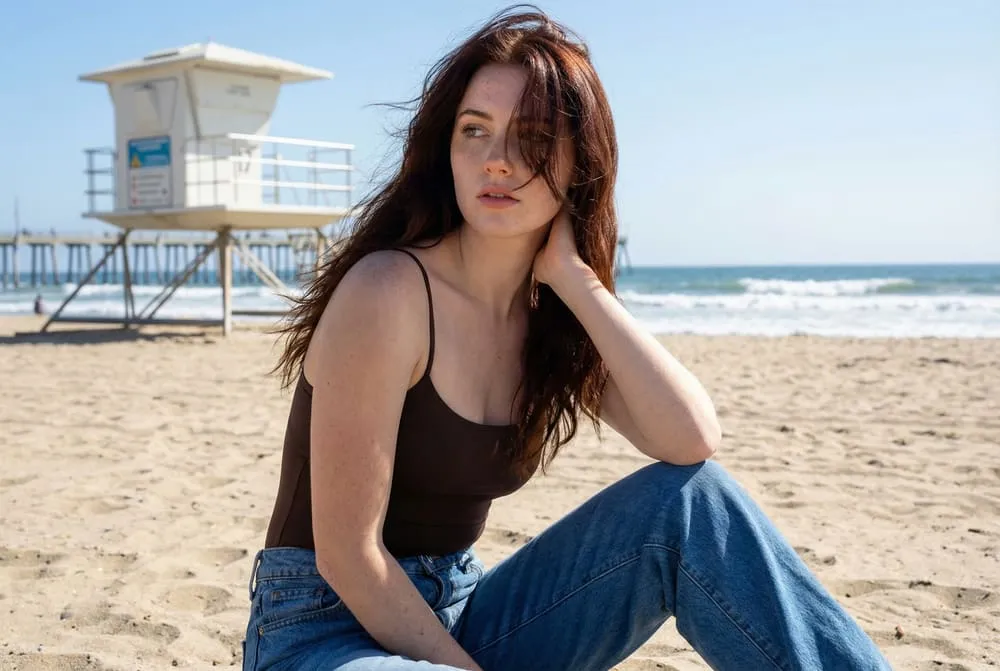
The principle is specificity creates comments. Vague answers ("I love to travel," "fluent in sarcasm") give nobody anything to grab. Specific answers paired with a matching photo hand someone their opening line.
Here's what good pairing looks like:
- Activity photo (Slot 3) + a "geek out" prompt. A photo of you mid-climb next to "I geek out on… reading routes nobody else wants to try." Now anyone who likes the photo has a thread: "What's the hardest route you've sent?"
- Travel photo (Slot 5) + a story prompt. A shot somewhere distinctive next to "The most spontaneous thing I've done… booked this trip 48 hours before the flight." That invites "Where was this?" and "What made you book it?"
- Personality / candid (Slot 6) + a playful prompt. Your dog in frame next to "My most controversial opinion… my dog is better company than most people." Easy, warm, comment-bait.
- Social photo (Slot 4) + a values prompt. You laughing with friends next to "The way to win me over is… being good to the people in this photo."
Two tactical notes. First, write prompts that end with a concrete detail, not a punchline that closes the loop. Leave an obvious follow-up question hanging. Second, don't waste a slot agreeing with yourself: if a photo already screams "I love the mountains," the paired prompt should add a new angle (a funny detail, a value, a confession), not repeat the obvious.
Done well, your six photos and three prompts become nine separate hooks someone can like and comment on, and that's the difference between a profile that collects silent likes and one that fills your inbox with openers.
What earns likes versus comments on Hinge
It helps to separate the two, because they're driven by different things.
Likes are driven by your face and your lead photo. A clear, bright, front-facing photo with a genuine smile is the single biggest lever for raw like volume. Smiling and looking into the camera both tend to lift likes; hidden eyes, dark photos, and distant shots suppress them. This is mostly slot 1's job.
Comments are driven by hooks, and comments are what actually turn into dates. Hinge has consistently signaled that likes sent with a comment are far more likely to get a reply, and that activity photos draw materially more comments than static portraits, because there's something concrete to ask about. So the photos that earn comments are your activity, travel, and personality shots paired with specific prompts.
The practical playbook:
- Optimize slot 1 for likes. It's your front door.
- Optimize slots 3, 5, and 6 (plus prompts) for comments. That's where dates come from.
- When you like other people, always add a comment. It dramatically improves your reply rate, and engaging thoughtfully also feeds the Most Compatible algorithm better signals about who you actually want.
Quality of engagement beats quantity on Hinge. A handful of comment-rich likes on genuinely compatible people will outperform spraying bare likes across the feed, and it trains the algorithm to surface better matches over time.
Mistakes that quietly tank your Hinge profile
Most "bad luck" on Hinge is self-inflicted. Watch for these:
- The mystery lead photo. Sunglasses, a hat, a group shot, or a far-away photo in slot 1 means nobody can tell who you are. Lead with a clear, well-lit face. If your eyes are hidden in every photo, people assume you're hiding something.
- The bathroom mirror selfie. Harsh lighting, a cluttered background, and low effort: it reads as exactly that. Hinge's own data has flagged bathroom selfies as serious like-killers. Cut them entirely.
- Six photos, one vibe. Six near-identical selfies in the same shirt tell someone nothing. Variety across setting, outfit, and distance is the whole point of the six slots.
- Over-produced studio shots. Glossy, heavily retouched portraits can read as try-hard or even catfish-y on an app that rewards authenticity. Photos should look like you on a good day, not a different person.
- Wrong-app energy. Shirtless club mirror pics imported straight from a swipe app clash with Hinge's relationship-intent audience. Match the photos to what Hinge is for.
- Outdated photos. If you no longer look like your pictures, you've built distrust before the first date. Keep the set current and honest.
- Empty or vague prompts. Skipping prompts, or writing one-word answers, wastes your best comment hooks. Three specific, photo-aligned prompts beat zero every time.
- Padding to six with filler. You're judged by your weakest image. A bad sixth photo hurts more than a missing one helps.
Our Hinge photo strategy guide goes deeper on the prompt-and-photo pairings that consistently pull comments.
How AI helps you build a conversation-starting Hinge set
Here's the real problem: even if you know the ideal six-slot lineup, most people simply don't have the photos. Your camera roll is group shots, dim bar pics, and three near-identical selfies. You're missing the clean front-facing headshot, the well-lit full-body, the activity shot where your face is still readable, and the travel scene with a story. Hiring a photographer for all of that is expensive, and you can't fake a trip you didn't take.
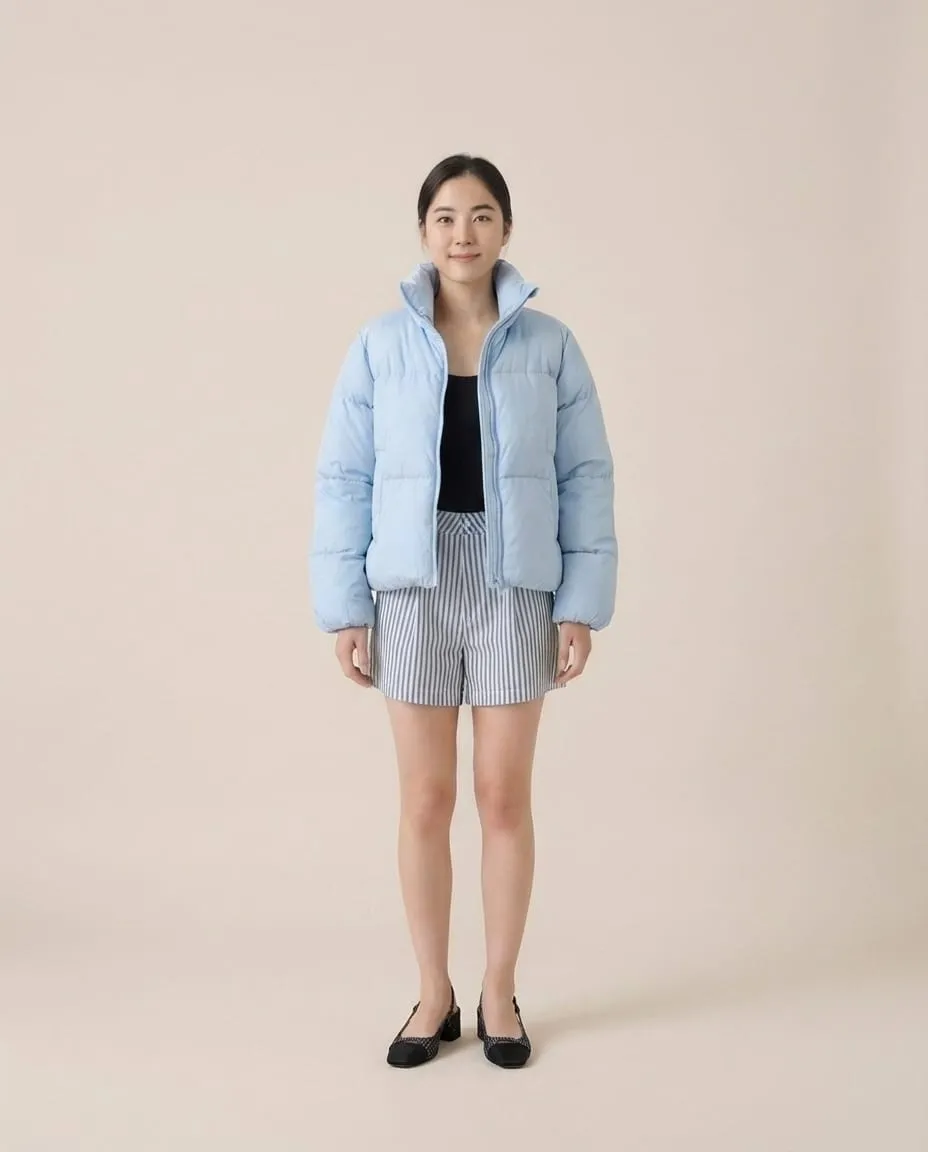
That's the gap an AI photo generator closes. A tool like TryOnWise builds a personal model from a handful of your real selfies, then generates realistic photos of you (same face, same features) in new outfits, settings, and lighting. Instead of waiting for the perfect weekend, you can produce a bright eye-level headshot for slot 1, a clean full-body for slot 2, and an activity or travel scene to anchor a comment-friendly prompt.
We've found the rule that keeps this honest is simple: the photos should look like you on a good day, not like someone else. Blend a few AI-generated shots that fill your weak slots with your best real candids, so the full set stays authentic and matches who actually shows up to the date. Used that way, AI isn't about faking a life. It's about finally having the right photo for every slot Hinge rewards.
Ready to fill all six slots from a few selfies? Generate your Hinge photo set with TryOnWise and build a profile designed to earn comments, not just silent likes.
Running more than one app? The lineups aren't interchangeable, because each app rewards something different. We've broken down best photos for Tinder, built for a three-second swipe, and best photos for Bumble, built to make the first message easy to write.
Frequently Asked Questions
How many photos do you need on Hinge?
Hinge requires a minimum number of photos to complete your profile and strongly pushes you to fill all six slots. Practically, six is the target: the algorithm treats a complete, varied profile as a quality signal and shows it more, while a half-empty profile reads as low-effort. Use all six slots, but only with photos that each add something new, and never pad to six with a weak filler image.
What should your first photo be on Hinge?
Your first Hinge photo should be a clear, well-lit, head-and-shoulders shot of your face, front-facing, with eyes on the camera and a genuine smile. Use a clean, uncluttered background and skip sunglasses, hats, group shots, and distant framing. It's your digital handshake and does the heavy lifting for likes, so lead with the single image that looks most recognizably and warmly like you.
Are selfies okay for Hinge?
A good selfie can work in a later slot, but it shouldn't be your lead. Front-facing, well-lit selfies that clearly show your face are fine as personality or candid shots. Avoid bathroom mirror selfies entirely. Hinge's data has flagged them as major like-killers. For slot 1, a photo taken by someone else, at eye level with a clean background, almost always outperforms a selfie.
Do candid or posed photos work better on Hinge?
Candid, in-the-moment photos generally outperform stiff, over-posed ones on Hinge, where authenticity is the currency. Natural light, a real laugh, and genuine activity read as more trustworthy and give people something concrete to comment on. Over-produced studio portraits can even backfire. The best mix is one clean, intentional lead photo paired with candid shots that show your real life and vibe.
How do photos and prompts work together on Hinge?
Photos and prompts are a team. Likes on Hinge attach to a specific photo or prompt and can carry a comment, so the goal is to create obvious comment hooks. Pair each photo with a prompt that adds a new, specific detail: an activity photo next to a "geek out" prompt, a travel shot next to a spontaneous-story prompt. Specificity creates comments, and comments are what turn likes into dates.
What gets the most likes and comments on Hinge?
Likes are driven mostly by a clear, smiling, front-facing lead photo. Comments, which actually lead to dates, are driven by activity, travel, and personality photos paired with specific prompts, because there's something concrete to ask about. Hinge has signaled that activity photos draw more comments than static portraits, and that likes sent with a comment are far more likely to get a reply.
Can you use AI-generated photos on Hinge?
Yes, as long as they still look like you. AI photo generators are useful for filling gaps in your six-slot lineup: a clean full-body, a different outfit, or an activity scene you don't already have. The key is honesty: keep your face and features accurate, and blend AI photos with real candids so what someone sees online matches who shows up to the date.
Why am I getting likes on Hinge but no conversations?
Usually because your profile earns likes but not comments. A strong face photo pulls bare likes that fizzle, while conversations start from comment hooks: activity, travel, and personality shots paired with specific prompts. Add concrete, photo-aligned prompts, and when you like others, always attach a comment yourself. Engagement quality also feeds the Most Compatible algorithm, which surfaces better-matched people over time.
Conclusion
The best photos for Hinge aren't a beauty contest. They're a conversation kit. Hinge is built around six slots, prompts, comment-driven likes, and a Most Compatible algorithm that rewards mutual interest, so your job is to assemble a small, varied set where every photo has a purpose: a clear face for likes, a full body for trust, and activity, travel, and personality shots that earn comments.
Audit your current six against the lineup above, kill the mystery lead photo and the bathroom selfie, and pair each shot with a specific prompt that leaves an obvious question hanging. If your camera roll can't cover every slot, an AI photo generator can fill the gaps from a few real selfies, honestly and without a photoshoot. Build the set Hinge actually rewards, and the likes start turning into conversations.