You open the photo picker, drop in two pictures, and call it done. Or you panic and upload every half-decent shot from the last three years. Both feel reasonable in the moment. Both quietly cost you matches.
So how many photos should a dating profile have? The short version: most people do best with four to six strong, varied photos, and you should fill every slot an app gives you, as long as each one earns its place. The number itself matters less than what those photos cover and how honest they are. This guide breaks down the ideal count per app, why "more but curated" beats both too few and too many, the exact mix and order that works, and how to fill the gaps when your camera roll comes up short.
The short answer: how many photos should a dating profile have?
If you want a single rule to live by, it is this: aim for at least four photos and use every slot the app offers, but never add a photo just to hit a number.
Why four as the floor? Because the data consistently points the same direction. Profiles that show more than one photo get meaningfully more attention, and the jump keeps climbing as you add variety up to a point. Two photos beat one by a wide margin. Four beats two. Beyond roughly six, returns flatten and risks creep in.
The reason is simple. Someone scrolling a dating app is trying to answer three questions fast: What do you look like? What is your life like? Do I trust that these photos are real? A single photo answers almost none of that. Four to six well-chosen photos answer all three. That is the entire job.
So "how many" is really a stand-in for "enough to cover the bases, with zero filler." Hit that, and you have already beaten most of the profiles you are competing with.
It helps to remember where the work actually happens. On a swipe-first app, your photos do almost all of the heavy lifting. Research suggests people process your pictures first and often decide before they read a single word of your bio. With a rejected profile getting roughly three seconds of attention, your images are not a supporting act for clever writing; they are the pitch. That is why getting the count and the mix right matters more than agonizing over your bio.
Why more-but-curated beats too few and too many
The sweet spot is not an accident, and the pattern we see most often is a profile that errs in one of two directions. Going under it or over it both backfire, just in opposite ways.
The problem with too few photos
One or two photos reads as low effort, and low effort reads as a red flag. People assume you are hiding something: your body, your age, what you actually look like in normal light. A single flattering headshot triggers the catfish instinct, and the modern dater is primed to swipe left at the first hint of it.
Thin profiles also fail the trust test. If someone cannot see you from more than one angle, in more than one setting, they have no way to confirm the person in the photo is real and current. With profiles getting roughly three seconds of attention before a left swipe, you do not get a chance to explain. The photos have to do it for you, and one photo simply cannot.
The problem with too many photos
The opposite mistake is just as common. People dump nine near-identical selfies in and assume more is more. It is not. Here is the brutal part: you are judged by your weakest photo, not your best. A strong set of five with one bad ninth photo often performs worse than a clean set of five, because that weak image plants a doubt that colors everything else.
There is also swipe fatigue. Asking someone to tap through eight photos before they decide is asking a lot in a feed built for snap judgments. Repetition is the silent killer: six versions of the same angle, outfit, and expression tell a viewer nothing new and bore them out of the match. Variety beats volume every single time. Six genuinely different photos beat nine repetitive ones.
How many photos per app: Tinder, Bumble, Hinge and beyond
Every app sets its own ceiling, and a few set a floor. Knowing the limits keeps you from leaving free real estate empty or stretching a thin set across slots it cannot fill. Here is how the major apps compare.
| Dating app | Max photos allowed | Minimum required | Recommended sweet spot |
|---|---|---|---|
| Tinder | 9 | 1 | 5–6 strong photos |
| Bumble | 6 | 1 | 4–6 photos |
| Hinge | 6 | 6 media to complete profile | All 6, paired with prompts |
| Coffee Meets Bagel | 9 | 1 | 3–7 photos |
| OkCupid | Generous (no tight cap) | 1 | 5–6 photos |
| Match | Generous (no tight cap) | 1 | 5–6 photos |
A few takeaways. Tinder gives you nine slots, but that is a ceiling, not a target. Five or six excellent photos beat nine padded ones. Bumble caps you at six, which lines up neatly with the ideal mix below. Hinge is the outlier: it requires a full set of six photos or videos to complete your profile and unlock its core features, and it pairs each one with a prompt, so a complete, varied profile is non-negotiable there.
The pattern across all of them is the same: the platforms that let you upload more are not asking you to. They are giving you room to show range. Use that room for variety, not repetition.
The ideal photo mix: the shots every profile needs
This is where "how many" turns into "which ones." The strongest profiles are not a random pile of good pictures. They are a deliberate set where each photo does a different job. Think of it as a six-photo formula, and trim or extend depending on the app.
- A clear solo headshot. This is your most important photo, full stop. Face clearly visible, shot at roughly eye level, genuine relaxed smile, good light. No sunglasses, no hat, no group. This is the photo that earns the second look.
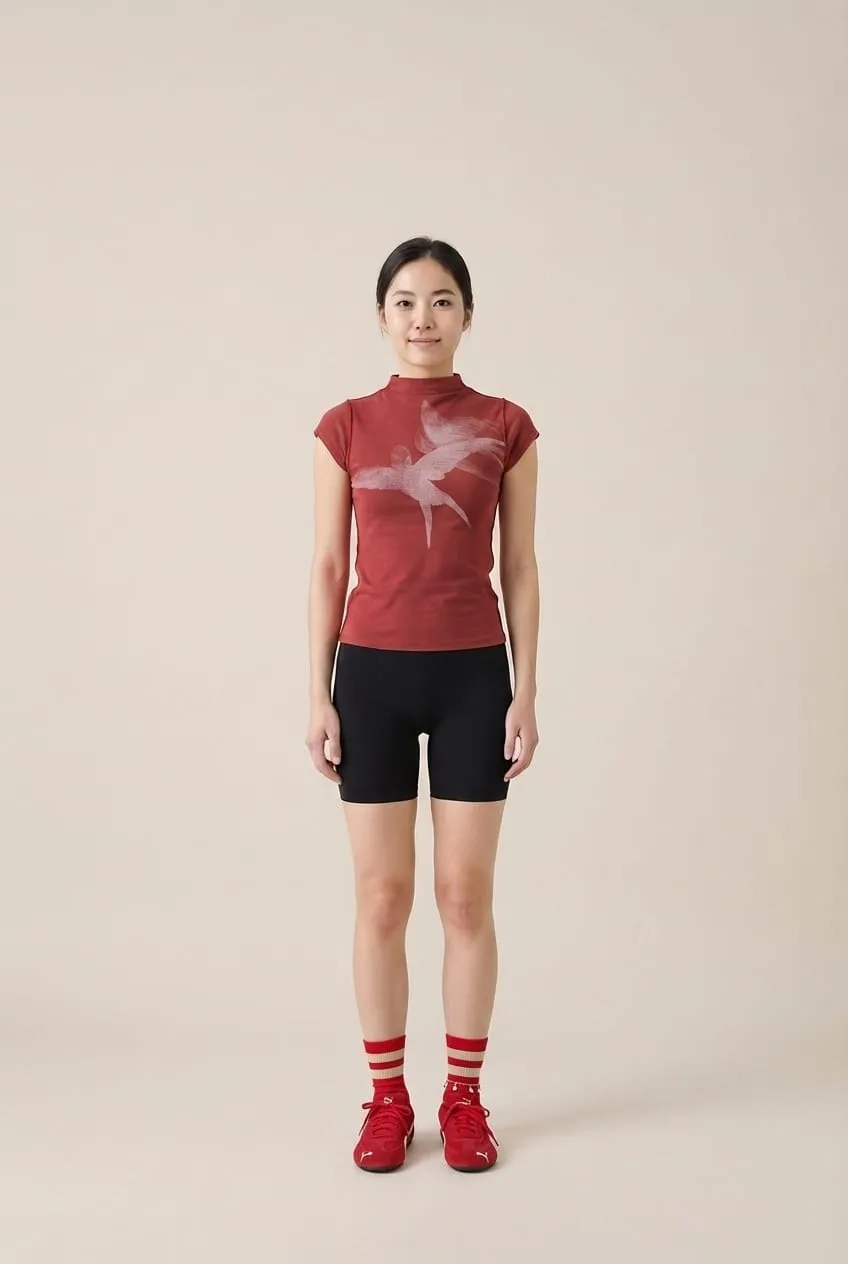
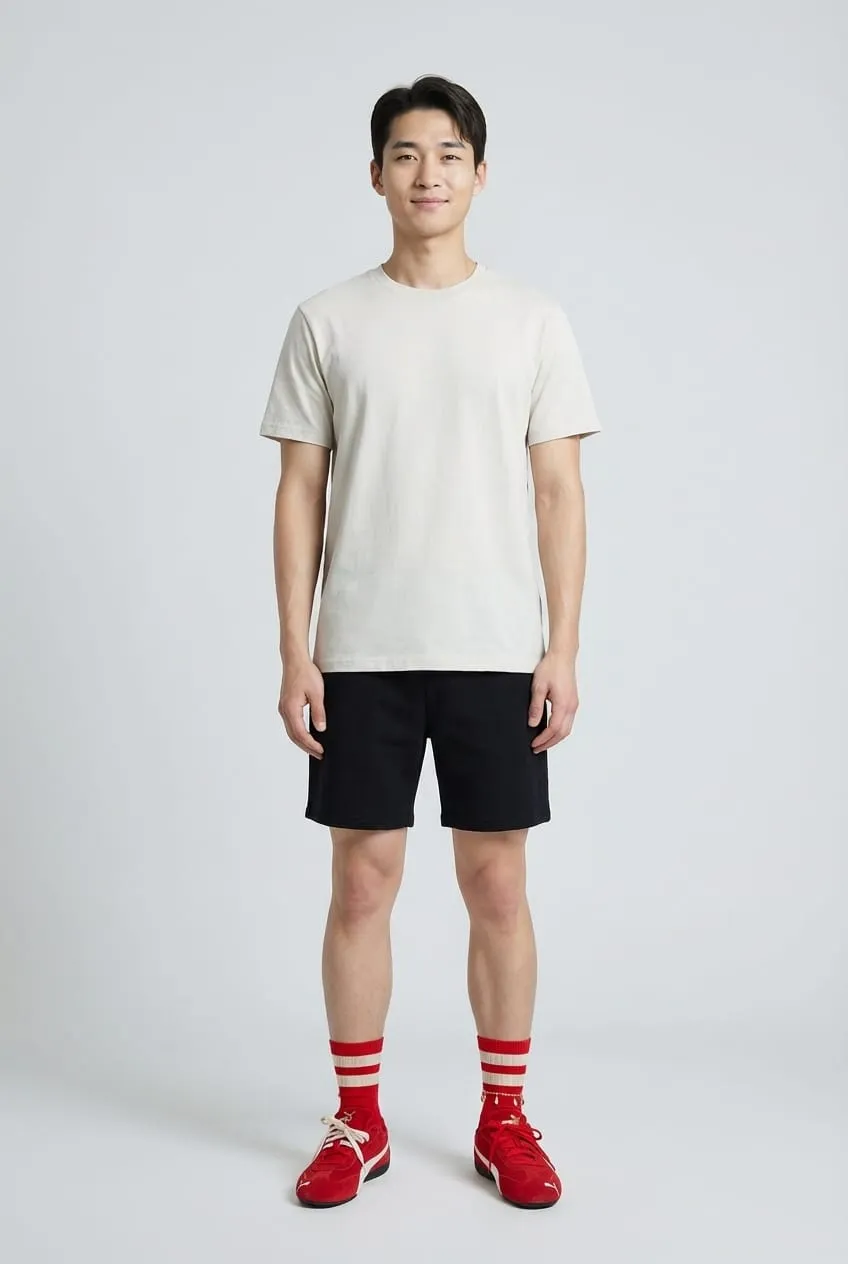
- A full-body shot. People want to know what you actually look like, and hiding it reads as evasive. Zoosk's profile data found that members who feature a full-body shot receive dramatically more messages, around 200% more by its count. Stand naturally, wear something that fits, let the rest of you into the frame.
- An activity or hobby photo. You hiking, cooking, climbing, playing music, holding a surfboard. This is your conversation starter: it hands the other person an obvious opening line and shows you have a life beyond the app.
- A social photo with friends. One, not five. It signals you are socially proofed and fun to be around. Hinge has noted that men with exactly one group photo tend to get a modest bump in matches, but more than one and people lose track of which person is you.
- A "dressed-up" or styled photo. A shot where you have clearly made an effort, whether at an event, a nice dinner, or somewhere with a bit of polish. It shows range and signals you clean up well.
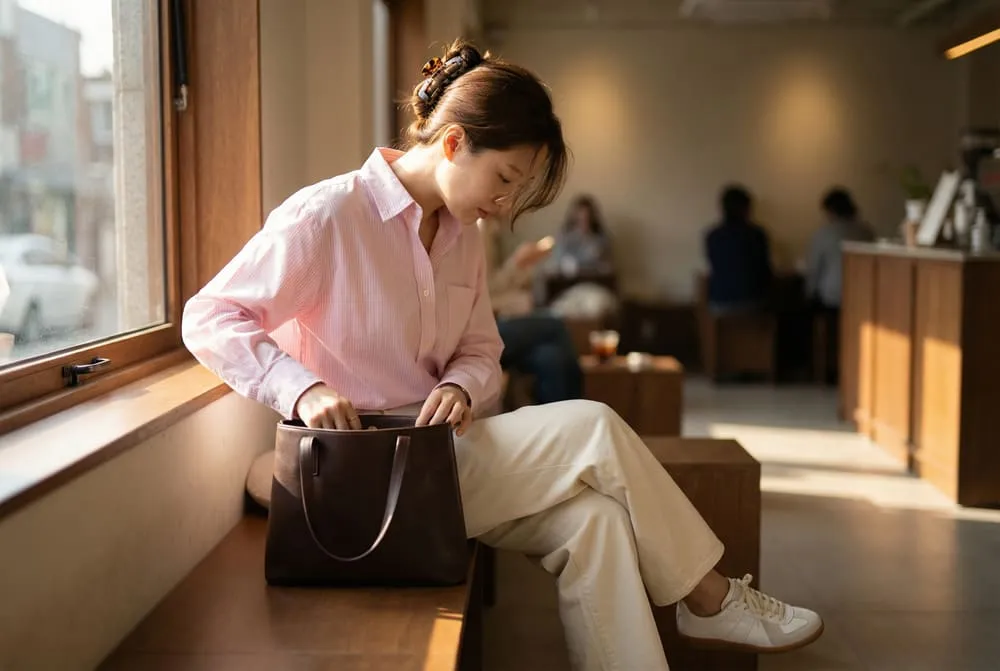
- A personality or candid closer. A real, in-the-moment shot that captures your vibe. Candids consistently outperform stiff posed portraits because they read as honest and approachable.
Cover those six bases and you have a profile that answers every question a viewer has (looks, body, lifestyle, social proof, effort, and personality) without a single wasted slot.
The right order: what goes in slot one, two, and three
Sequence matters almost as much as selection. Most people decide on your lead photo before they ever swipe deeper, so the order is a funnel, not a gallery.
- Slot 1: your best solo headshot. This carries the most weight of any image on your profile. It has to be unmistakably you, clear, and warm. If you only nail one photo, nail this one.
- Slot 2: full-body or a strong activity shot. Immediately answer the "what do they actually look like / what do they do" question while you still have attention.
- Slot 3: activity or social. Build the story: you have hobbies and people who like you.
- Slots 4–6: styled shot, travel or setting variety, and your candid closer. These deepen the picture for anyone who has already decided they are interested and is looking for a reason to commit to the like.
One advanced move: when you refresh, rotate which strong photo leads. Swapping your main image breaks the pattern for repeat viewers and forces a fresh look, giving you a second shot at a first impression. The rest of the order can stay roughly the same. Front-load your strongest material and let interest deepen as someone scrolls.
A quick gut check for the sequence: read your photos top to bottom and ask whether each one adds something the previous ones did not. If slot four is just another version of slot one, it is not earning its place. Swap it for a shot that shows a new setting, a different side of your life, or a fuller view of you. The order should feel like a short story that gets more interesting as it goes, not a slideshow of the same moment.
Quality versus quantity: you are judged by your weakest photo
If there is one principle that overrides the count, it is this. The number of photos is a ceiling on opportunity; quality is what fills it. A profile is only as strong as its weakest image, because that is the one that introduces doubt.
That changes how you should think about the last slot or two. The temptation is to reach the maximum (nine on Tinder, six on Hinge) by adding whatever you have left. Resist it; we've found the final slot is where otherwise-strong profiles quietly lose matches. A blurry, poorly lit, or outdated photo at the end can undo the trust your first three built. If your sixth-best photo is genuinely good, use it. If it is filler, leave the slot empty. Five great photos beat six with a dud.
Quality also means current and honest. Photos from five years and twenty pounds ago are not flattering, they are misleading, and the gap between your pictures and the real you is the fastest way to kill a date before it starts. Surveys repeatedly find that daters are frustrated by photos that do not match the person who shows up. Lead with images that look like you on a good, normal day.
How often should you refresh your dating profile photos?
Photos are not set-and-forget. A profile that has not changed in a year looks stale, and the algorithms notice too. Most dating coaches recommend refreshing your photos every one to three months, with a fuller audit every three to six.
There are two reasons. The first is relevance. You do not want a beach photo front and center in the middle of winter; it makes the whole profile look abandoned. Updating with the seasons keeps you looking active and present. The second is the algorithm. Many apps quietly favor active, engaged users, and swapping in a new photo signals activity and can hand your profile a fresh burst of visibility. Some users report a noticeable lift in matches simply from rotating their lead image.
You do not need to reshoot everything every month. Keep a small bench of strong photos and rotate them: change the lead, retire the weakest, add one new shot when you have it. That steady, light-touch refresh keeps the profile current without turning maintenance into a chore.
How AI photo generators fill the gaps in your lineup
Here is the practical wall most people hit. The ideal mix calls for a sharp solo headshot, a full-body shot, an activity photo, a tasteful social shot, a styled image, and a candid closer: six genuinely different photos. Almost nobody has that sitting in their camera roll. Most of us have a pile of group shots, a few bad-lighting selfies, and one decent photo from a wedding two years ago.
That gap is exactly what an AI photo generator is for. Tools like TryOnWise build a personal model from a handful of your real selfies, then generate realistic photos of you in new outfits, settings, and lighting. Missing a full-body shot? Generate one. No good activity or travel scene? Create the setting. Need a polished styled photo without booking a photographer? Done. It is a way to complete the lineup the apps reward without waiting for the perfect trip or shoot. You can browse the example gallery to see the range before you start.
The non-negotiable rule is honesty. The photos should look like you on a good day, not like a different person. In our experience, the smart approach is to blend AI-generated shots with your best real ones so the set stays authentic and consistent with how you actually show up. Used that way, AI is not about faking a life — it is about finally having the right photo in every slot.
If you want sets tuned to a specific platform, our breakdowns for Tinder photos for men, the Bumble photo strategy, and the Hinge photo guide walk through which shots to lead with on each app.
Frequently Asked Questions
How many photos should a dating profile have?
Aim for four to six strong, varied photos, and use every slot the app provides as long as each photo earns its place. Four is a reliable floor because profiles with more photos consistently attract more attention, while past six the returns flatten and the risk of a weak filler photo grows. The real target is full coverage (face, body, lifestyle, social proof, and personality) with zero repetition.
Is three photos enough for a dating profile?
Three can work in a pinch, but it is usually too thin. Three photos rarely cover a headshot, a full-body shot, and a lifestyle image with any variety, and a sparse profile can read as low effort or trigger catfish suspicion. If three is all you have, make sure they are genuinely different (a clear face, a full body, and an activity shot) and add more as soon as you can.
Should you use all of your photo slots?
Use them only if you can fill them with quality. Tinder gives you nine slots and Hinge requires six, but you are judged by your weakest photo, so a padded set can perform worse than a tighter one. Fill every slot you can fill well, and leave the rest empty rather than adding blurry, repetitive, or outdated images just to hit the maximum.
What should my first dating profile photo be?
Your first photo should be a clear, well-lit solo headshot with a genuine, relaxed expression, taken at roughly eye level. It carries the most weight of any image on your profile because most people decide before they tap in. Avoid sunglasses, hats, heavy filters, distant shots, and group photos in that lead slot. Lead with the single image that most looks like you.
How often should I update my dating profile photos?
Refresh your photos every one to three months, with a fuller review every three to six. Updating keeps your look current, avoids the stale out-of-season vibe, and signals to the app's algorithm that you are active, which can boost your visibility. You do not need to reshoot everything; rotating your lead photo and retiring your weakest one is often enough.
Do more photos really get more matches?
Up to a point, yes. Going from one photo to several reliably increases attention, and a varied set of four to six tends to perform best. Beyond that, adding more does not help and can hurt, because each extra photo is another chance to introduce a weak image. Variety drives the gains, not raw volume. Six different photos beat nine repetitive ones.
Can I use AI-generated photos to fill out my dating profile?
Yes, as long as they still look like you. AI photo generators are useful for filling gaps your camera roll cannot: a full-body shot, a styled image, or an activity scene you do not already have. Keep your face and features accurate and blend AI photos with real ones so what someone sees online matches who shows up in person.
The bottom line
How many photos should a dating profile have? Four to six strong, varied ones — and every slot an app gives you, provided each photo pulls its weight. The number is just shorthand for the real goal: cover your face, your body, your lifestyle, your social side, and your personality, honestly and with zero filler.
Audit your current set against the six-photo mix, fix the weak lead, cut the repeats, and keep it fresh every month or two. If your camera roll cannot fill the lineup the apps reward, that is exactly the gap an AI photo generator closes, letting you build a complete, honest, match-ready profile from a few real selfies. Get the count and the mix right, and the matches follow.