Your photos are the entire pitch. On Tinder, Bumble, or Hinge, someone decides whether to keep reading in about a second, and that decision is driven almost entirely by your lead image. You can write a genuinely funny bio, but if your first picture is a dim bathroom mirror selfie, most people swipe before a single word registers. The good news: learning how to take good dating profile pictures is a skill, not a lottery. It comes down to a handful of repeatable decisions (light, angle, expression, outfit, background) and a deliberate lineup that shows different sides of you.
This guide walks through every one of those decisions in order, gives you a slot-by-slot breakdown of the photos a strong profile needs, lists the mistakes that quietly tank your match rate, compares your three options for getting the shots, and ends with a pre-shoot checklist.
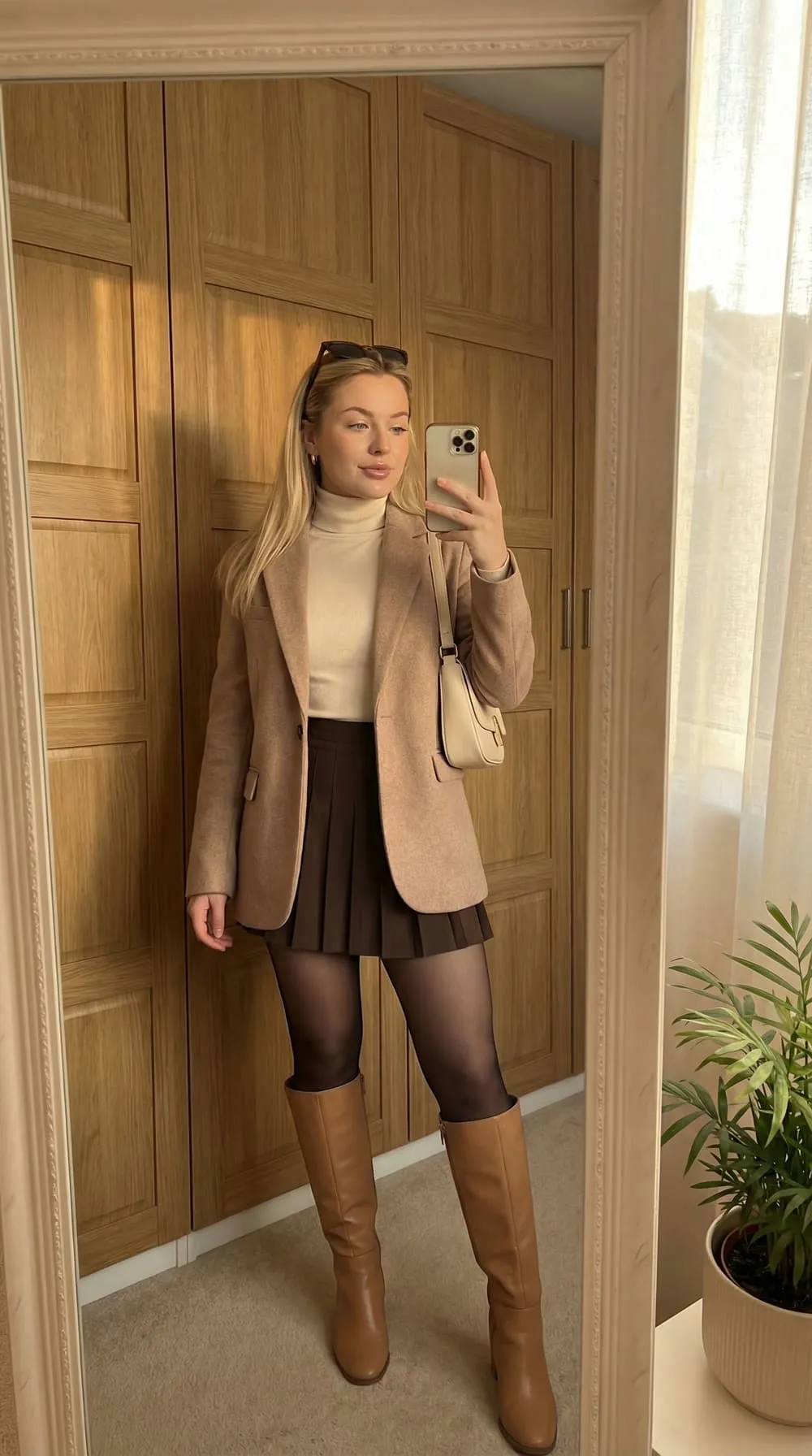
What Makes a Dating Profile Picture "Good"?
Before tactics, get the standard straight. A good dating photo is not a glamour shot or a heavily edited magazine cover. It is a clear, recent, flattering image of a real person on a good day. Strip away the genre fluff and every effective dating photo passes four tests:
- It's recognizable. A match should be able to spot you in a crowded coffee shop. If you're so filtered or angled that the in-person you is a surprise, the photo has failed and the date starts on the back foot.
- It's clear. Sharp focus, no motion blur, your face well exposed and not buried in shadow. Phone cameras are good enough; bad lighting and shaky hands wreck most amateur shots.
- It's flattering. Light, angle, and posture that present you at your best without crossing into deception. Flattering and fake are different things, and the gap between them is where good dating photography lives.
- It tells a small story. Beyond your face, a good photo hints at your life: a hobby, a place you love, a social side. That gives someone a reason to message instead of just swiping.
Hold every photo you consider up to those four tests. Most of the advice below is just a practical way to hit all four at once.
Step 1: Master Your Lighting
Lighting matters more than your camera, your jawline, or your outfit. It is the single biggest difference between a photo that looks expensive and one that looks like a hostage proof-of-life. Get this right and everything else gets easier.
Use soft, natural light. The best free light source is an overcast sky or open shade: a porch, the shady side of a building, under a tree. Soft light wraps around your face and hides texture and shadows. Hard midday sun does the opposite: it carves harsh shadows under your eyes and nose and makes you squint.
Shoot during golden hour when you can. The roughly 45 minutes after sunrise and before sunset gives warm, directional, forgiving light that flatters almost everyone. If you only have time for one outdoor shoot, do it then.
Indoors, find a big window. Stand facing it, not with it behind you, so the light falls evenly across your face. North-facing windows give the softest, most consistent light. Turn off the overhead room lights, because mixing warm bulbs with cool daylight creates a muddy color cast that's hard to fix.
Avoid these lighting traps:
- Overhead light (ceiling fixtures, midday sun) that drops shadows into your eye sockets.
- Backlight with a bright window or sky behind you, which turns your face into a silhouette.
- On-camera flash, which flattens your features and creates that washed-out, red-eyed party look.
- Colored or neon light from a TV, bar sign, or RGB setup that tints your skin an unnatural shade.
A quick test: take one frame and look at your eyes. Soft, bright catchlights (little reflections of the light) mean your lighting is working; dark pits mean you should move toward the light and try again.
Step 2: Find Your Best Angles
Everyone has a more flattering side and a more flattering angle. Finding yours takes ten minutes of experimentation and pays off across every photo you ever take.
Shoot from slightly above eye level. Hold the camera around forehead height and look up a touch. This elongates the neck, defines the jaw, and is almost universally more flattering than shooting from below, which emphasizes the chin and nostrils. Don't overdo it. A phone held way overhead reads as a try-hard selfie.
Turn three-quarters, not straight on. Angle your body roughly 45 degrees from the camera and turn your face back toward the lens. This adds depth, narrows the body, and catches natural shadow along the cheekbone and jaw. A dead-straight, shoulders-square pose tends to look flat and a little like a mugshot.
Create a gap with your arm or posture. Putting a slight bend in the arm nearest the camera, or resting a hand in a pocket, keeps your silhouette from looking like a solid block. Small space between arm and torso reads as relaxed.
Lead with your forehead, push your chin out and down. It feels deeply unnatural and looks great on camera: it sharpens the jawline and kills any hint of a double chin. Practice it in a mirror once and it becomes second nature.
Get distance for the full-body shots. Phone lenses distort whatever is closest to them. For full-length photos, have the camera 8 to 10 feet away and zoom slightly rather than shooting up close, which warps proportions.
Step 3: Dial In Your Expression
A genuine, relaxed expression beats a perfect face every time. Warmth and approachability are what most people are actually scanning for, even if they'd never say so.
The key is the difference between a posed smile and a real one. A real smile — what photographers call a "Duchenne" smile — engages the muscles around the eyes, not just the mouth. The forced version stops at the lips and reads as tense or salesy.
Three reliable ways to get a real one on camera:
- Get a laugh, then shoot. Have your photographer say something genuinely funny, or think of something that actually amuses you, and fire the shutter in the second after the laugh peaks. That settling moment is gold.
- Talk between frames. Stiffness comes from holding a pose. Chat, shift your weight, look away and back. Candid-feeling frames almost always beat held ones.
- Vary it across the lineup. You want at least one warm open smile, but you don't need six of them. A soft, confident closed-mouth look or a relaxed laugh adds range and keeps the profile from feeling like a yearbook page.
One more thing: eye contact with the lens, in at least your lead photo, creates a sense of direct connection. In our experience the safest play is a warm expression aimed straight at the camera. Photofeeler's analysis of dating photos found that the combination most likely to drag a rating down is no smile paired with no eye contact. Save the looking-off-into-the-distance shots for your secondary images.
Step 4: Choose Outfits That Work
Wardrobe is where people overthink and underdeliver. You are not dressing to impress a stylist; you are dressing so you look like the best, clearest version of yourself.
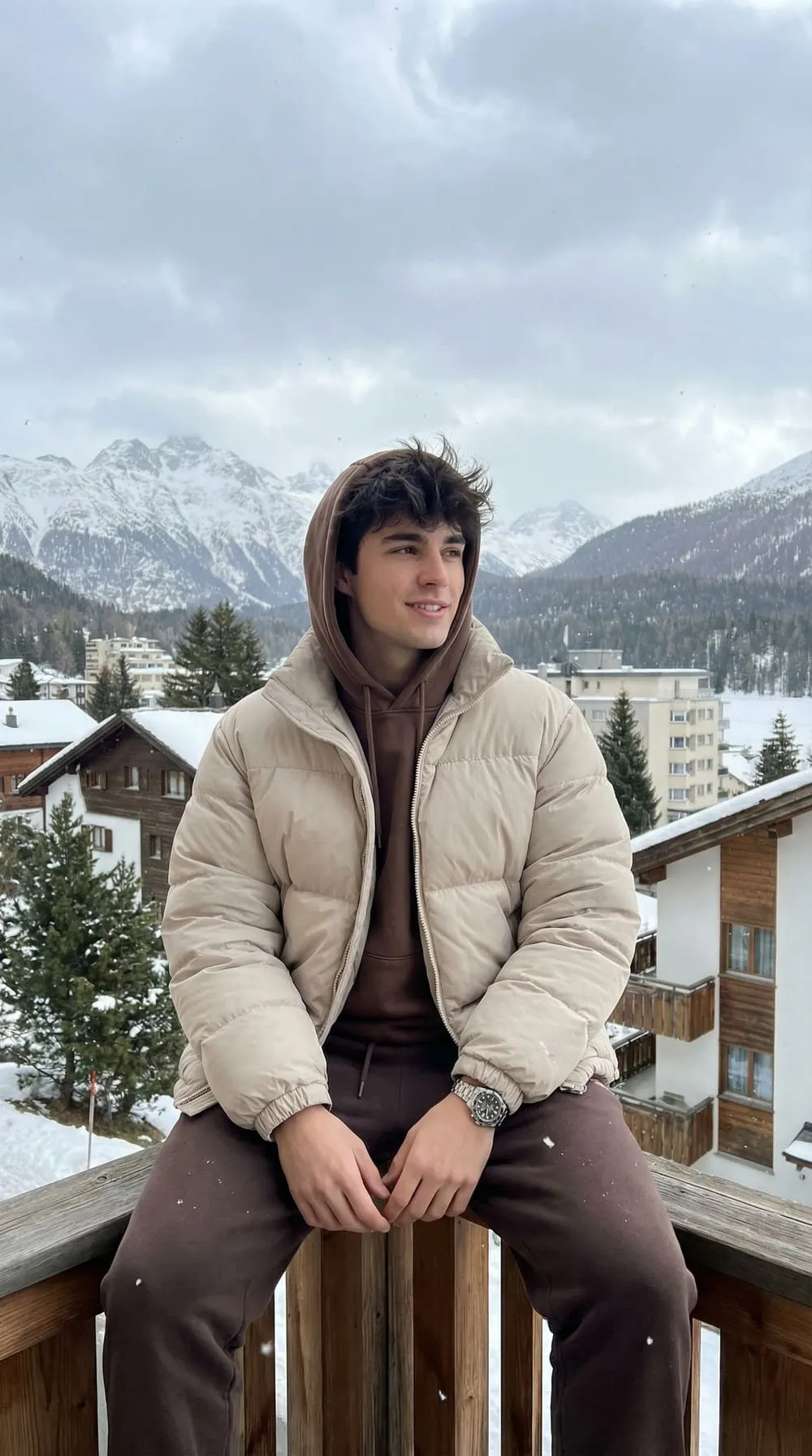
Fit beats brand, always. Clothes that actually fit your shoulders and torso photograph dramatically better than expensive clothes that hang loose or pull tight. If one shirt fits perfectly, wear it. A small tailoring tweak is the cheapest upgrade in this whole guide.
Favor solid colors and simple patterns. Busy prints and tiny stripes can shimmer or distort on camera and pull attention off your face. Solid jewel tones (deep blue, forest green, burgundy) flatter most skin tones. Avoid pure bright white, which can blow out in sunlight, and all-black if you're shooting against a dark background.
Dress for variety across the set. Change tops between shots so your photos don't all blur together. One casual look, one slightly dressed-up look, and one activity-appropriate outfit cover most bases and signal that you have a life with different settings in it. For the full slot-by-slot breakdown, including which colors photograph well against your skin tone, see what to wear in dating photos.
Mind the details. Wrinkles, stains, and visible undershirt lines are obvious on a big phone screen. Iron the shirt, check your collar, and pick the version of an outfit that looks intentional rather than thrown on. Keep accessories minimal. A watch or one piece of jewelry is fine; a pile of statement pieces competes with your face.
Step 5: Pick Backgrounds That Add Context
Your background should do one of two jobs: get out of the way, or quietly say something true about your life. Anything in between is clutter.
Clean and simple wins by default. A textured wall, a leafy park, a tidy interior, a city street: backgrounds with some depth but no chaos. They keep you as the subject while still looking like a real place.
Add context when it's genuine. A background that hints at a hobby or a place you love (a trailhead, a bookshop, a kitchen mid-cook) does double duty: it frames you and hands a viewer a conversation starter, as long as it's real, not staged-feeling.
Watch for background sabotage:
- A messy room, an unmade bed, or a cluttered counter reads as low effort instantly.
- Visible alcohol bottles, a smoke or vape cloud, or a chaotic party scene are common turn-offs.
- Other people in a shot that's supposed to be about you (more on group photos below).
- The dreaded bathroom: toilets, sinks, and mirror smudges belong nowhere near a dating profile.
A good habit: before you shoot, glance at everything behind you, not just at yourself. Most amateur photos are ruined by something in the background nobody noticed.
The Photo Lineup: What Each Slot Should Do
Individual great photos matter less than a great set. A strong dating profile is a deliberate lineup of five to seven images, each pulling a different weight. Six is the sweet spot for most apps: enough range to feel like a real person, not so many that you bury the strong ones.
Think of it as a sequence where every slot has a job:
| Slot | Photo type | What it does | Quick tip |
|---|---|---|---|
| 1 | Lead headshot | Wins the first-second decision; carries most of the weight | Clear face, genuine smile, eye contact, great light |
| 2 | Full-body shot | Answers the unspoken question and builds trust | Shoot from 8-10 ft, full outfit visible, clean background |
| 3 | Activity / hobby | Shows your life and hands over a conversation starter | Mid-activity, looks candid, not stiffly posed |
| 4 | Social proof | Signals you're fun to be around and have friends | You're clearly the focus; small group, not a crowd |
| 5 | Dressed-up | Shows you clean up well for a night out | Slightly elevated outfit, confident posture |
| 6 | Personality / candid | Adds warmth and a second conversation hook | Real expression, a pet, a place, or a passion |
A few notes on the hardest slots:
The lead photo is doing roughly two-thirds of the work, so never waste it on a selfie, a group shot, or a sunglasses-and-hat combo that hides your face. It should be your single clearest, friendliest, best-lit headshot or head-and-shoulders frame.
The full-body shot is non-negotiable. Skipping it reads as evasive, and many people scroll specifically to find one. Its absence creates doubt; its presence builds trust and sets accurate expectations.
The activity photo is your conversation engine. A shot of you actually doing something (climbing, cooking, playing an instrument, walking a dog) frequently becomes the exact thing a match messages you about first. The pattern we see most: it is the activity frame, not the polished headshot, that earns the opening line. Make it look like a real moment, not a prop staged for the camera. For the social-proof slot, the rule is simple: you must be unmistakably the main subject. If a viewer has to play "guess which one is the profile owner," you've lost them.
What to Avoid: The Profile-Killers
You can do everything above right and still get torpedoed by a single bad habit. These are the ones to cut ruthlessly.
| Don't | Why it hurts | Do instead |
|---|---|---|
| Bathroom or gym mirror selfies | Reads as low effort and dim lighting | Have someone shoot you, or use a tripod and timer |
| Group photo as the lead | Viewers won't guess which person is you | Solo lead; save group shots for later slots |
| Heavy filters and face-tune | Easy to spot and breaks trust before a date | Light, clean edits at most; fix lighting, not your face |
| Sunglasses or hats in every shot | Hides the thing people most want to see | At least your lead photo shows your full face and eyes |
| The same pose six times | Looks like a flat, one-note profile | Vary angle, outfit, setting, and expression |
| Cluttered or risky backgrounds | Distracts or signals turn-offs | Clean settings; remove bottles, mess, and clutter |
| Photos that are years old | In-person mismatch starts the date with a letdown | Use recent shots that match how you look today |
Two deserve emphasis. Filters are far more detectable than people think, and a mismatch between photo-you and real-you is one of the fastest ways to lose trust in person. The frustration is widespread: in Pew Research Center's survey of online daters, 54% said someone had seriously misrepresented themselves in a profile. And a profile where every photo has the same shallow-depth-of-field portrait look feels like a posed branding session, not your actual life. Aim for "your life on a very good day," not a studio campaign.
DIY vs. Photographer vs. AI: Which Should You Choose?
There's no single right answer — it depends on your budget, your timeline, and how photogenic your current camera roll already is. Here's an honest breakdown of the three real paths.
Do it yourself. Cheapest and most flexible. With a phone, a tripod or a willing friend, good natural light, and the techniques in this guide, you can shoot a solid set in an afternoon. The catch is that it takes effort, trial and error, and a critical eye to cull the keepers. If you have a friend with decent taste, DIY is genuinely competitive with paid options.
Hire a photographer. The premium route. A photographer who specializes in dating or lifestyle portraits brings lighting know-how, posing direction, and an outside eye. The trade-offs are cost and scheduling, and the result is only as good as the brief. A stiff studio session can look worse than a natural phone shoot, so ask specifically for relaxed, candid, lifestyle-style images, not formal headshots.
Use an AI photo generator. The newest option. You upload a batch of your own selfies and the tool generates a varied set of photos of you in different outfits, lighting, and settings. The appeal is speed and range without a scheduled shoot; the risk is that low-quality tools produce results that don't actually look like you. We've found the decisive factor is always likeness: the output has to read unmistakably as you, in better light and more varied scenes than your camera roll currently offers.
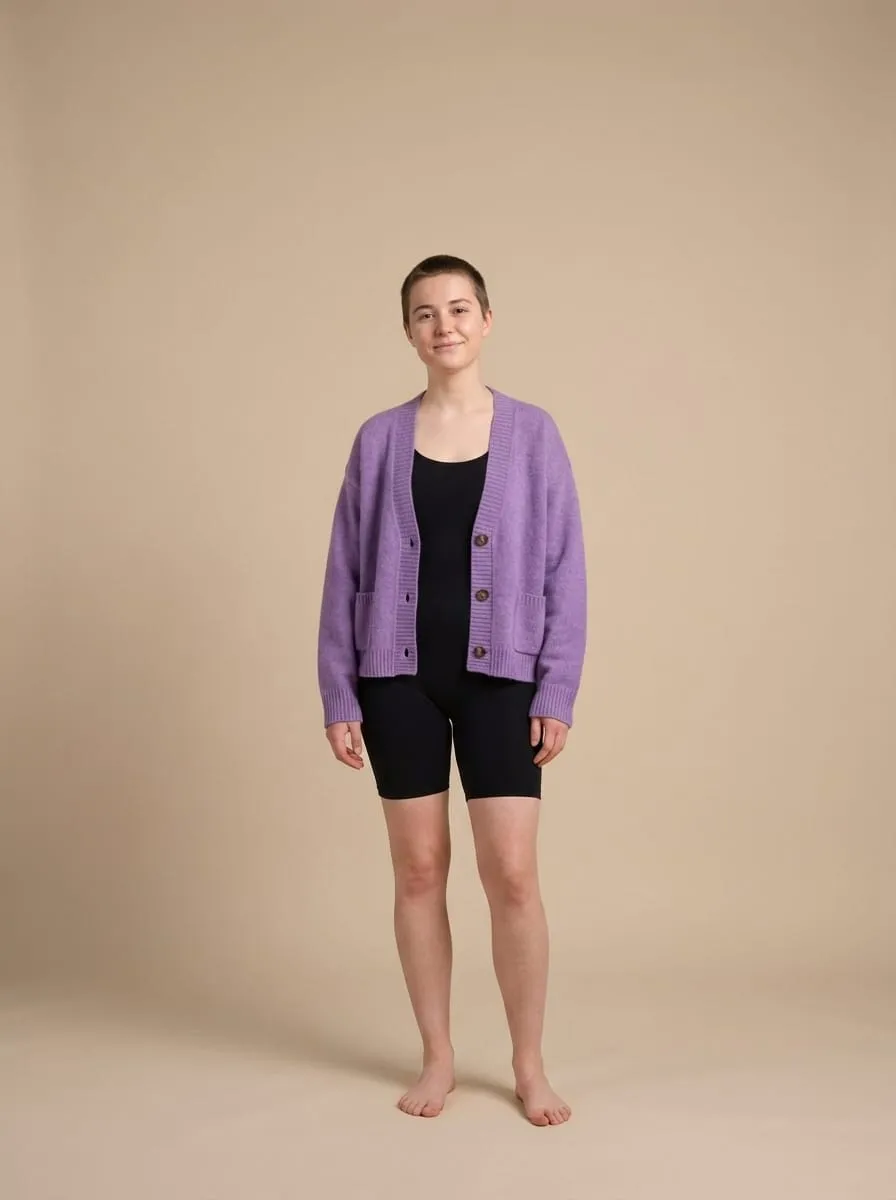
If you want to see what a full, varied lineup can look like before committing, browse a gallery of example results for a realistic sense of the range. A studio like TryOnWise builds a model from your own selfies and generates dating-ready photos across different outfits and backgrounds, which is closer to a real photoshoot than a one-tap filter. Because men and women tend to optimize for slightly different signals (wardrobe, setting, expression), it helps to start from a focused breakdown: see the guides on dating photos for men and dating photos for women for app-specific style notes.
Whatever path you pick, the standard doesn't change: clear, recent, flattering, and recognizably you.
Your Pre-Shoot Checklist
Run through this before you shoot a single frame. It's the difference between an afternoon of keepers and a folder of "almost."
The day before:
- Pick three outfits that fit well and photograph clean (iron them).
- Get a haircut a few days out, not the morning of, so it settles.
- Charge your phone, clear storage, clean the lens, and scout two or three spots with soft light and clean backgrounds.
Right before:
- Check the weather and aim for overcast light or golden hour.
- Set up a tripod, or brief your friend on the angles you want (slightly above eye level, three-quarter turn).
- Do a quick test frame and confirm you have catchlights in your eyes.
- Glance behind you and clear any clutter from the background.
While shooting:
- Capture every planned slot: lead, full body, activity, social, dressed-up, candid.
- Shoot far more than you need (dozens of frames per setup) and talk, move, and laugh between shots to keep expressions natural.
- Vary outfit, angle, and setting so the final set has real range.
After:
- Cull hard. Keep five to seven, and make sure each one does a different job.
- Apply only light edits: straighten, crop, gentle exposure. Don't reshape your face.
- Put your single strongest, friendliest, best-lit shot first.
Frequently Asked Questions
How many photos should a dating profile have?
Five to seven is the sweet spot, with six as a reliable default. That range shows your face, your full body, your hobbies, and your social side without burying your best shot. Fewer than four feels thin and evasive; more than seven dilutes the strong photos with weaker ones. Variety matters far more than quantity.
What should my first dating profile picture be?
A clear, well-lit headshot or head-and-shoulders photo with a genuine smile and direct eye contact. Your lead image carries the majority of the swipe decision, so it should be your single best, friendliest, most recognizable shot. Never use a group photo, a heavy filter, or sunglasses-and-hat combos for the lead. Anything that hides your face or makes a viewer guess which person is you works against you.
Is natural light really better than indoor lighting?
In most cases, yes. Soft natural light (open shade, an overcast sky, or the hour after sunrise and before sunset) is forgiving and flattering, and it's free. Indoor light can work well too, but only if you use a large window as your main source and turn off mixed overhead bulbs. The enemy isn't "indoors," it's harsh overhead light, on-camera flash, and colored light that tints your skin.
Are AI dating profile photos a good idea?
They can be, if the tool produces results that genuinely look like you. The biggest risk with any photo, whether AI, filtered, or years old, is a mismatch between the picture and the real you, because that erodes trust the moment you meet. A good AI generator works from your own selfies to create varied, realistic shots in better lighting; a bad one invents a stranger. Likeness is the test that matters.
Should I edit or filter my dating photos?
Light editing is fine; heavy filtering is not. Cropping, straightening, and gentle exposure or color adjustments help your photos look their best. Beauty filters, skin smoothing, and face-reshaping tools are easy for viewers to spot and set up an in-person letdown. Fix your lighting and angles at the shoot instead of trying to repair a bad photo afterward. It's faster, and the result looks real.
Do I really need a full-body photo?
Yes. Skipping a full-body shot reads as if you're hiding something, and many people scroll specifically to find one. Including a clear full-length photo in a flattering outfit builds trust, sets accurate expectations, and removes a common reason people hesitate to match. Shoot it from 8 to 10 feet away so the lens doesn't distort your proportions.
How do I look natural and not stiff in photos?
Stop holding poses. Talk, move, and laugh between frames, and have whoever's shooting capture the moment right after a real laugh rather than asking you to "smile." Shooting many frames per setup means you'll catch genuine, relaxed expressions instead of forced ones. A three-quarter body turn and a slight lean also feel and look more natural than standing square to the camera.
How often should I update my dating photos?
Refresh them whenever your appearance changes noticeably (a new haircut, weight change, beard, or glasses), and otherwise at least once a year. Recent photos keep the in-person you consistent with your profile, which is the whole point. Stale photos that no longer match how you look are one of the quietest causes of disappointing first dates.
Final Takeaway
Learning how to take good dating profile pictures isn't about luck or genetics — it's a series of small, repeatable decisions. Nail your lighting, find your most flattering angle, relax into a genuine expression, wear something that fits, and shoot against backgrounds that add context instead of clutter. Then assemble a deliberate lineup where every photo pulls its own weight, cut the profile-killers, and pick the path (DIY, a photographer, or AI) that fits your budget and timeline.
Do that, and your profile stops being a gamble and starts being an accurate, flattering pitch for the most photogenic version of your real self. Shoot more than you think you need, keep only the photos that pass all four tests, and lead with your best.