Intro
Bumble has a design quirk that changes everything about your photos: in heterosexual matches, women send the first message. That single rule shifts the job of your photo set from "be attractive enough to swipe on" to "be easy to write to." A profile that clears the first bar but fails the second produces the most frustrating Bumble outcome there is, which is a match list full of people who never said anything.
The best photos for Bumble are the ones that hand someone an opening line. Not because they're clever, but because they contain something specific enough to ask about.
This guide covers how Bumble's mechanics shape photo strategy, the six-slot lineup that performs, Bumble's own photo rules that quietly get profiles rejected, how to pair photos with prompts and Opening Moves, and what to do when your camera roll can't fill the set.
How Bumble's mechanics shape your photos
Three things distinguish Bumble from every other app.
The first move sits with women in heterosexual matches. This is the founding premise of the app. It means your photos need to reduce the effort required to start a conversation. A stunning but featureless portrait is a hard profile to message. A photo where you're clearly mid-something gives someone a sentence to write.
Opening Moves lowers that barrier further. Bumble added a feature that lets you set a question your match can answer, so the conversation has a starting point built in. It works far better when your photos supply the context that makes the question land. A prompt about food next to a photo of you actually cooking is a conversation. The same prompt next to six studio headshots is a quiz.
You get six photo slots and a complete profile is rewarded. Bumble allows six photos, and the app pushes you to fill them alongside profile badges covering things like exercise, drinking, smoking, education, and what you're looking for. A profile with two photos and no badges reads as low effort and gets less traction.
The takeaway: on Tinder your first photo carries the profile. On Bumble the set carries it, because the set is what someone has to write a message from.
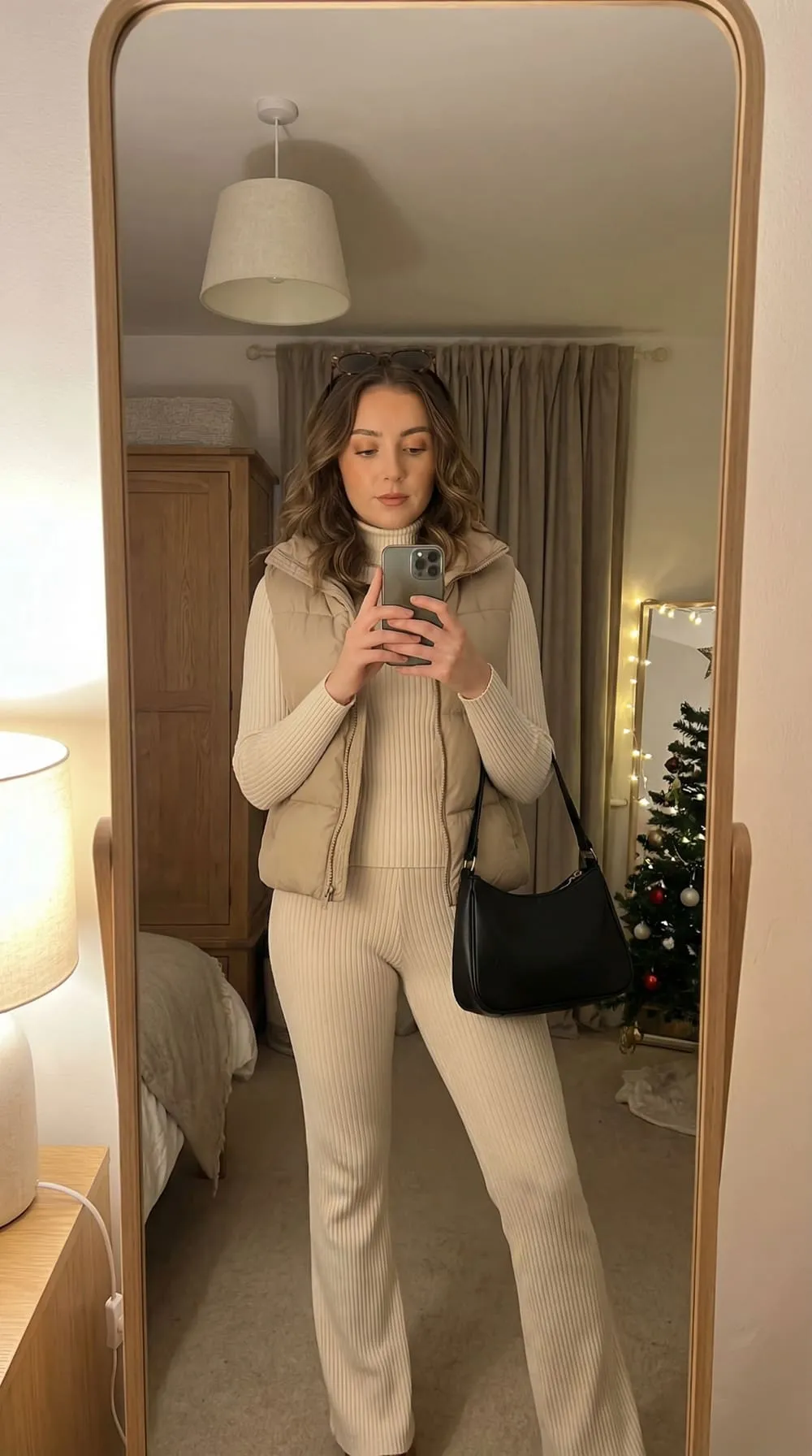
The 6-photo Bumble lineup
Six slots, six jobs. Each photo should add information nobody could get from the previous one.
| Slot | Photo type | The job it does | Quick spec |
|---|---|---|---|
| 1 | Clear, smiling face | Earns the swipe | Head and shoulders, front-facing, eyes to camera, real smile, simple background |
| 2 | Full body | Builds trust, removes guesswork | Head to toe, natural setting, no heavy crop |
| 3 | Activity or hobby | The opening line generator | You visibly doing something specific, face recognizable |
| 4 | Social or travel | Adds context and a place to ask about | Small group or a distinctive location, you clearly identifiable |
| 5 | Style or effort shot | Shows range and self-presentation | Different outfit and setting from slot 1 |
| 6 | Candid or personality | Makes you feel like a person | Laughing, your dog, your craft, unposed |
The single highest-leverage slot on Bumble is number three. It's the one most people waste on another portrait, and it's the one that most often becomes the first message. Specificity is the whole trick: "hiking" is generic, but you halfway up a visible ridge in a particular jacket is something a person can react to.
Vary the frame. Six photos should span at least four settings, two or three outfits, and a mix of close-up and full-body. Repetition wastes slots.
Cut anything ambiguous. If someone has to work out which person is you, that's effort spent before they've even considered writing.
Bumble's photo rules, which quietly reject profiles
Bumble is stricter about photo content than most apps, and profiles get pulled or photos removed without much explanation. Its community guidelines and help centre cover the details, but the ones that catch people out are worth knowing.
- No photos of children alone. Photos of kids on their own aren't permitted, including your own. If you want to signal that you're a parent, say so in your bio.
- Underwear and swimwear indoors is restricted. A swimsuit at the beach is fine. The same swimsuit in a bathroom is not.
- No nudity or sexually explicit content. Straightforward, but the line includes suggestive framing.
- You must be in your photos. No photos consisting only of scenery, cars, pets without you, or memes.
- No misleading images. Photos of other people, celebrities, or heavily manipulated images that misrepresent you.
Photo verification is also available and worth doing. It confirms your photos match a live selfie and adds a badge. In a landscape where people are increasingly cautious about manipulated images, that badge does real work.
Pairing photos with prompts and Opening Moves
This is where Bumble profiles are actually won, and where most people leave value on the table.
Your photos and your text should reference each other. Not literally, but thematically, so any given photo has a nearby sentence that turns it into a topic.
A cooking photo plus a food-related prompt turns "nice photo" into "what's your go-to weeknight thing." That's a message someone can send without thinking.
A travel photo plus a prompt about the last place you loved does the same work. The photo makes the prompt concrete and the prompt makes the photo askable.
An Opening Move that references something visible is the strongest version. If you set a question, make sure at least one photo supplies the context for it. A question that could be sent to anyone gets answered like it was sent to anyone.
The failure pattern is symmetrical: six beautiful photos with no specifics, and three prompts that could belong to any person on the app. Individually fine. Together, unmessageable.
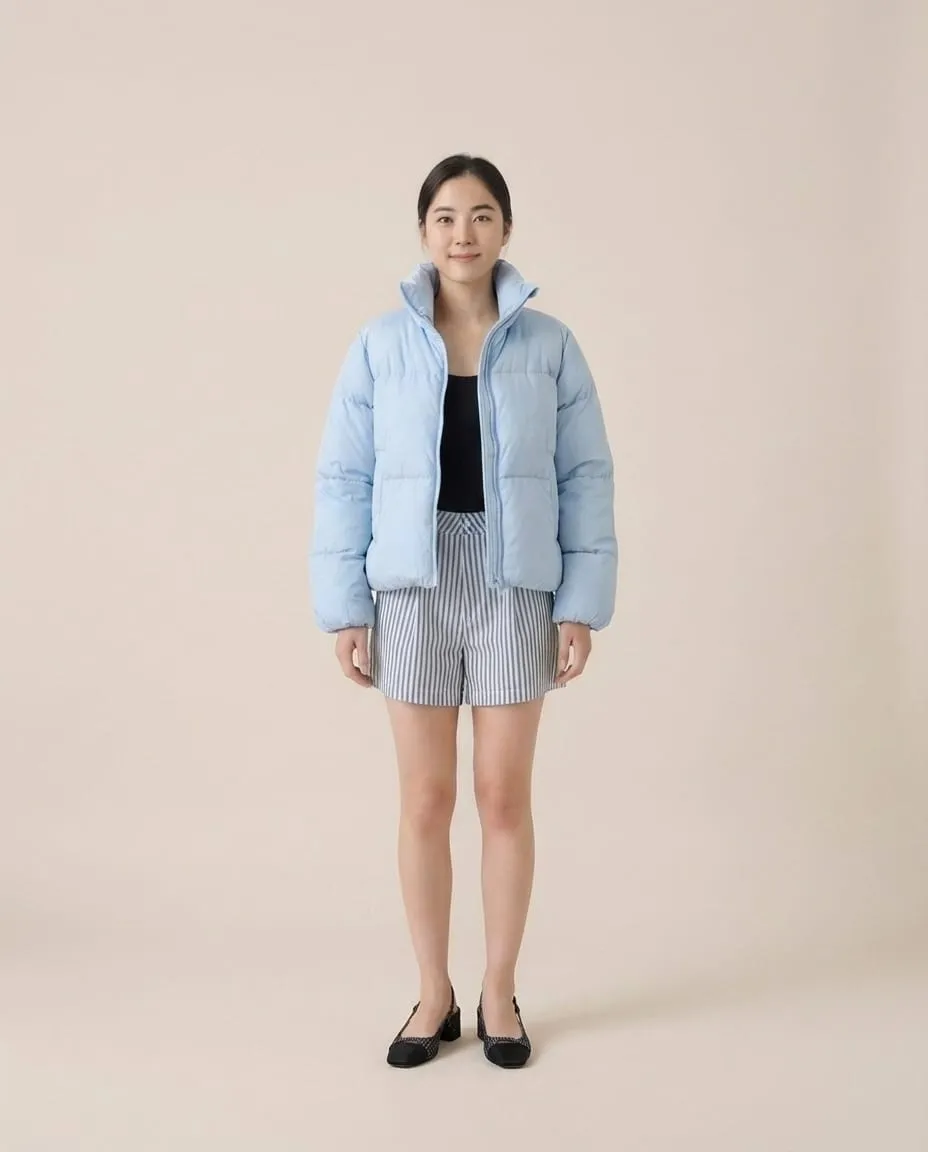
The shots that stall Bumble conversations
Different from the shots that lose swipes. These get the match and then nothing happens.
- All portraits, no context. Six close-ups of your face give a match nothing to write about. This is the number one cause of dead Bumble matches.
- Generic scenery with you barely in it. A distant figure on a mountain is not a conversation hook, it's a postcard.
- Group photos where you're hard to identify. Effort spent squinting is effort not spent messaging.
- Sunglasses in more than one photo. Eyes carry the most information in a profile photo.
- Bathroom mirror selfies. Universally criticized, and on Bumble they can also run into the indoor-underwear rule depending on what you're wearing.
- Heavy filters and smoothing. They read as a mismatch risk, and Bumble's verification culture makes them stand out more than they used to.
- No full-body photo. Its absence is noticed and reads as concealment.
- Photos that are visibly years old. If a match can tell, it undermines everything else.
Filling the gaps when your camera roll is thin
Most people can fill two or three slots with what they already have. The missing ones are predictable: a clean, well-lit face shot; a full-body photo where they don't look uncomfortable; and an activity photo that isn't from four years ago.
Best option: twenty minutes outside with a friend. Golden hour, two outfit changes, a lot of frames. Nothing beats it and it costs a favor.
Second: shoot yourself properly. Phone propped at chest height on a timer, near a window or outdoors in soft light. Not arm's length, not a mirror.
Third: use an AI photo generator to fill specific gaps. From a few real selfies, modern tools can produce realistic photos in different outfits, lighting, and settings. On Bumble specifically, the useful application is generating the full-body or different-outfit shot you don't have, not manufacturing a life you don't lead. Keep your face and build accurate, blend the results with real candids, and remember that Bumble's rules prohibit misleading images. We go through the honest limits in do AI dating photos work and the practical workflow in how to take good dating profile pictures.
For platform-tuned guidance, our Bumble photo generator page covers what the women-message-first dynamic demands, and the women's and men's guides break down shot lists by audience.
Bumble BFF and Bizz use different photos
Worth a note, because people reuse the same set across modes and it doesn't transfer.
BFF wants warmth and shared-activity signals. Group shots become an asset rather than a liability, and hobby photos carry more weight than attractiveness. A profile that works for dating often reads as intense in BFF.
Bizz wants a clean, professional headshot and context about your work. Casual dating photos undercut you here. If you're using Bizz seriously, treat the lead photo as a professional headshot rather than a dating photo.
Frequently Asked Questions
How many photos should you have on Bumble?
Six, which is the maximum Bumble allows, provided all six earn their slot. A complete profile reads as higher effort and performs better than a half-empty one. The caveat is that you're judged by your weakest photo, so five strong images beat six where the last one is filler. Aim for six varied photos across at least four settings.
What should your first Bumble photo be?
A clear, well-lit, front-facing head-and-shoulders shot with eye contact and a genuine smile, on a simple background. No sunglasses, hats pulled low, or group shots. It earns the swipe. The photos after it do the harder job of giving your match something to write about, which is what turns a Bumble match into an actual conversation.
Why do I get matches on Bumble but no messages?
Almost always because your photos are attractive but featureless. In heterosexual matches, women message first, so a profile with no specific detail asks someone to invent an opener from nothing. Add an activity photo where you're visibly doing something particular, a travel or place photo with a distinctive setting, and prompts that reference them. Specificity is what generates first messages.
What photos are not allowed on Bumble?
Bumble prohibits photos of children on their own, nudity and sexually explicit content, underwear or swimwear photos taken indoors, images of other people presented as you, and photos where you don't appear at all. Misleading or heavily manipulated images also breach the guidelines. Check the current rules in Bumble's help centre before uploading anything borderline, since profiles get restricted without much explanation.
Do Opening Moves change what photos I need?
They raise the value of context photos. An Opening Move gives your match a ready-made starting point, but it lands much better when a photo supplies the context behind the question. Pair a food-related Opening Move with a photo of you cooking, or a travel question with a shot from a distinctive place. Question plus supporting photo consistently outperforms either on its own.
Can I use AI-generated photos on Bumble?
Yes, as long as they genuinely look like you and don't misrepresent you. The legitimate use is filling gaps in your six, such as a full-body shot or a photo in different clothes and lighting, generated from your own real selfies. Keep your face and build accurate and mix AI photos with real candids. Anything that changes how you actually look breaks Bumble's rules on misleading images and collapses at the first date.
Should I get verified on Bumble?
Yes. Verification takes about a minute, confirms your photos match a live selfie, and adds a badge to your profile. It signals exactly the thing a well-built photo set is trying to prove, which is that you are who your photos say you are. As manipulated images become more common, verified profiles increasingly get the benefit of the doubt.
Conclusion
The best photos for Bumble are chosen for messageability, not just attractiveness. Lead with a clear, smiling, well-lit face shot to earn the swipe. Then use the remaining five slots to hand your match something concrete to open with: a full body for trust, an activity photo with real specificity, a place with a story, a style shot, and a candid that makes you look like a person rather than a profile.
Pair those photos with prompts and an Opening Move that reference them, get verified, and check your set against Bumble's photo rules before you upload. Then audit honestly: if you looked at your own profile, could you write a first message without thinking hard? If not, that's the photo to replace.