Intro
Tinder is not a profile app. It's a decision app. Someone sees your first photo, makes a judgment in about the time it takes to blink, and either swipes or doesn't. Most people never scroll to photo three. That single fact should shape everything about how you build your set, and it's why the best photos for Tinder look different from the best photos for Hinge.
The mistake almost everyone makes is treating Tinder like a photo album. Nine slots get filled with whatever the camera roll offers: two group shots, a sunset with no people in it, a car, a gym mirror selfie. The set has no plan, and the swipe is made before any of it registers.
This guide covers how the swipe economy actually shapes photo strategy, the lineup that performs, what your first photo has to accomplish on its own, the shots that quietly kill profiles, and how to fill gaps when your camera roll can't cover the set.
How Tinder actually works, and why it changes your photos
Three mechanics matter.
You get up to nine photo slots, and roughly one and a half of them are ever seen. Tinder allows nine photos. Most swipes happen on the first, some on the second. Everything after photo four exists for the small number of people who are already interested and want confirmation. Your ranking of photos matters more than the quantity.
Swipes are cheap and fast. Unlike Hinge, where a like attaches to a specific photo or prompt, a Tinder swipe is a whole-person yes or no made at speed. There is no comment hook to engineer. You're not starting a conversation with your photos. You're clearing a bar.
Tinder helps you order them. Smart Photos rotates your photos and tracks which one performs best, then promotes it to the front automatically. This is worth enabling, because people are consistently bad at picking their own best photo. Tinder has also shipped an AI photo selector that scans your camera roll and suggests which images to use. Both features solve ordering, not sourcing. If your camera roll doesn't contain the right shots, no amount of automatic reordering fixes it.
The takeaway: on Tinder your first photo is doing the overwhelming majority of the work, and your job is to make the rest confirm rather than complicate.
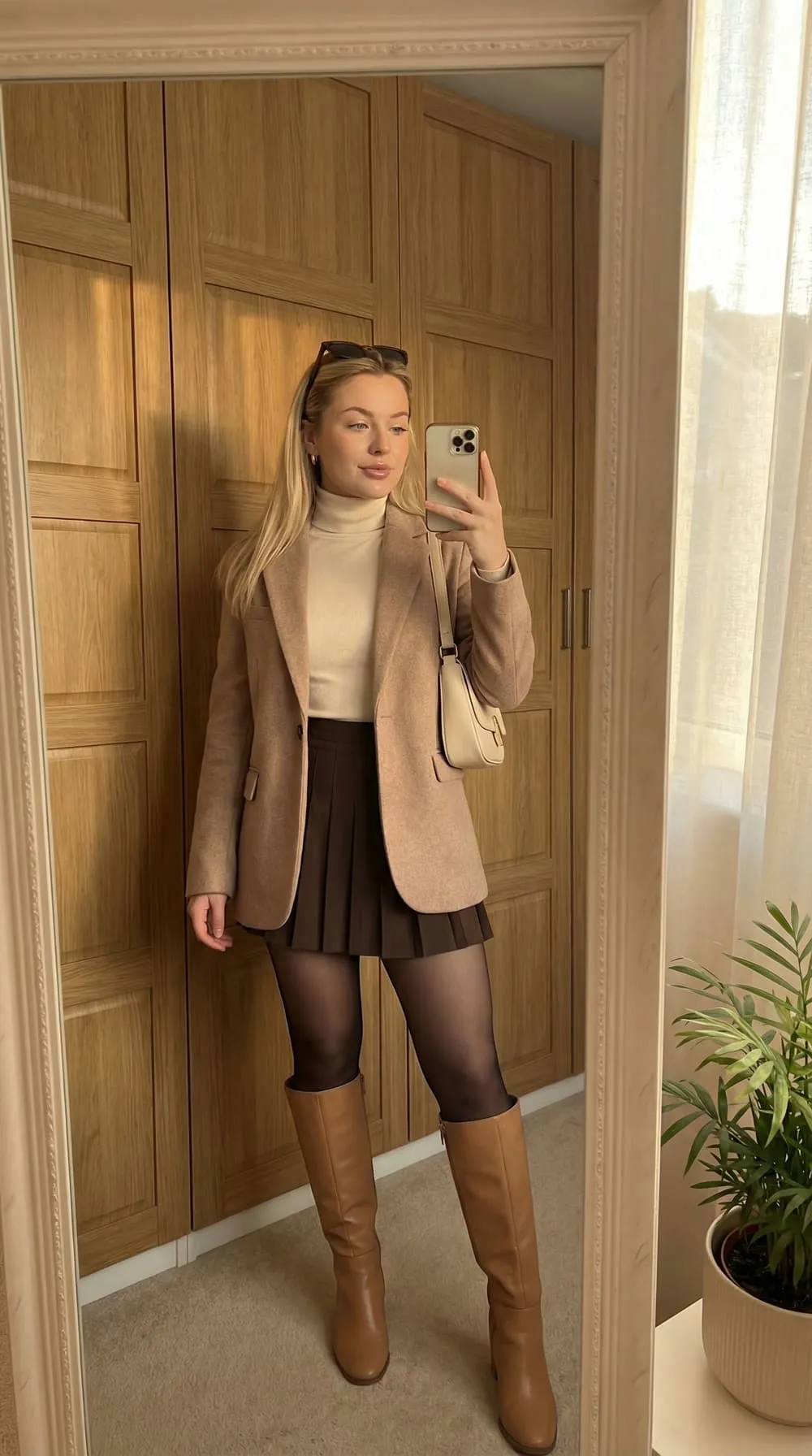
The 6-photo Tinder lineup
Nine slots are available. Six good photos beat nine mediocre ones, because you're judged by your weakest image the moment someone does scroll. Here's the lineup that works.
| Slot | Photo type | The job it does | Quick spec |
|---|---|---|---|
| 1 | Clear, smiling face | Wins or loses the swipe | Head and shoulders, front-facing, eyes to camera, genuine smile, clean background, no sunglasses |
| 2 | Full body | Removes guesswork, builds trust | Head to toe, natural setting, no baggy disguise or heavy crop |
| 3 | Activity or hobby | Shows a life, adds interest | You visibly doing something, face still recognizable |
| 4 | Social proof | Signals you're likable | Two or three people, you obviously identifiable, never first |
| 5 | Style or effort shot | Shows you can put yourself together | Different outfit and setting from slot 1, good light |
| 6 | Personality or candid | Makes you feel like a person | Laughing candid, your dog, your craft, unposed |
Two rules hold the whole set together.
Variety is the strategy. Six photos should cover at least four settings, two or three outfits, and a mix of close-up and full-body. If two photos could be swapped without anyone noticing, one of them is filler and should be cut.
Nothing ambiguous. Every photo should answer "which one is you" instantly. Group shots in slot one, distant landscape shots where you're a speck, and heavy sunglasses all create a half-second of confusion, and half a second is the entire decision window.
Your first photo has to do four things at once
This is the whole game. A strong Tinder lead photo accomplishes all of the following in a single frame.
Show your face clearly. Head and shoulders, or upper body at most. Your face should occupy a meaningful portion of the frame on a phone screen. No sunglasses, no hats pulled low, no shadow across your eyes.
Look at the camera. Eye contact reads as confidence and openness. Candid looking-away shots work beautifully in slot three and poorly in slot one.
Smile like you mean it. A genuine smile that reaches the eyes outperforms a neutral stare or a smoulder for nearly everyone. This is the most reliably repeated finding across dating app guidance, including Tinder's own advice on building a profile.
Be well lit and uncluttered. Soft natural light, ideally from a window or open shade outdoors. A plain or simple background. Clutter competes with your face and there's no time to sort it out.
Practically: stand near a window or outside on an overcast day, have someone shoot from eye level at a slight distance, and take thirty frames. One of them will be the photo.
The shots that kill Tinder profiles
These come up again and again, and each one costs matches.
- Group photo as your first image. People won't play a guessing game. Move it to slot four or drop it.
- Bathroom mirror selfies. The most consistently criticized dating photo in existence. Toilet, harsh light, phone covering your face.
- Sunglasses in the lead. Eyes are the highest-value information in a profile photo, and sunglasses remove them.
- Only selfies. A profile of six arm's-length shots reads as isolated. Get at least half your photos taken by someone else, or use a timer and a prop.
- Heavy filters and beauty smoothing. They read as a mismatch risk. Anyone expecting the filtered version and meeting the real one has already been disappointed.
- No full-body shot anywhere. Its absence is conspicuous and reads as concealment. Include one.
- Photos with an ex, cropped or not. A visible extra arm is worse than no photo.
- Car selfies and gym mirror shots. Both are extremely common, which makes them invisible at best.
- Ambiguous or misleading images. Beyond being bad strategy, Tinder's community guidelines require your photos to represent you honestly, and photo verification exists to enforce that.
Verification and Smart Photos: use both
Photo verification puts a badge on your profile confirming your photos match a live video selfie. It takes a minute and it demonstrably increases trust, particularly for women evaluating men's profiles. There is no reason to skip it.
Smart Photos tests your images against each other and promotes the winner. Turn it on. The catch is that it can only optimize the pool you gave it. If all nine of your photos have the same problem, the best of nine bad photos still goes first.
That's the honest limit of every automated tool in this space, including AI photo selectors: they rank, they don't create. Sourcing is still your job.
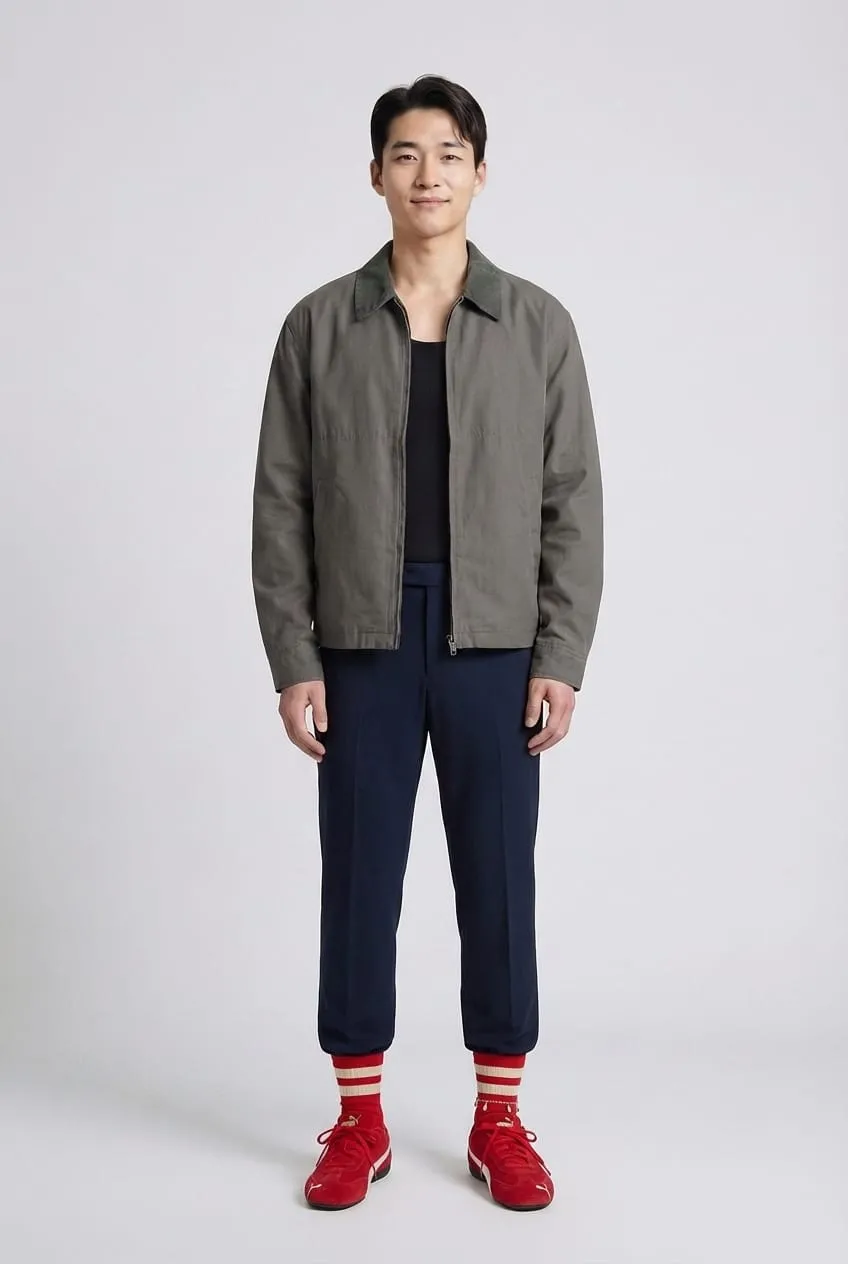
When your camera roll can't fill the set
Most people can cover two or three slots from what they already have. The gaps are almost always the same: a clean well-lit face shot, a full-body photo where they don't look uncomfortable, and a shot in something other than the outfit they wear every day.
Three ways to close them, in order of preference.
Ask a friend and shoot for twenty minutes. Go outside in the hour before sunset, wear two different outfits, and take a lot of frames. This produces the best result and costs nothing but a favor.
Shoot yourself deliberately. Phone on a timer, propped at chest height, near a window or outdoors in soft light. Not a mirror. Not arm's length.
Use an AI photo generator to fill specific gaps. Modern tools can take a few real selfies and produce realistic photos in different outfits, settings, and lighting. The rule that makes this work is honesty: keep your face and build accurate, use it to fill the shot you don't have rather than to become someone else, and always mix in real candids. We cover the ethics and the limits in detail in do AI dating photos work.
If you want gender-specific shot lists, our guides on dating photos for men and dating photos for women break down what tends to land, and the Tinder-specific generator covers the platform's particular demands.
How Tinder photos differ from Hinge and Bumble
Same photos, different jobs.
Tinder rewards an immediate, unambiguous, attractive first impression. Optimize slot one relentlessly and keep the rest clean and varied.
Hinge rewards conversation hooks, because likes attach to a specific photo or prompt and can carry a comment. Activity and travel photos earn more there than they do on Tinder. Our full breakdown is in best photos for Hinge.
Bumble puts the opening message on women, so your photos need to give her something easy to open with. That shifts the balance toward specificity.
If you're running all three, use the same core set and reorder for each app rather than maintaining three separate profiles. The full comparison lives in Tinder vs Bumble vs Hinge photos.
Frequently Asked Questions
How many photos should you have on Tinder?
Six good photos is the sweet spot, though Tinder allows up to nine. Most people never scroll past the second image, so additional photos mainly serve those already interested. The risk of adding more is that you're judged by your weakest image once someone does scroll. Use six strong, varied photos rather than padding to nine with filler.
What should your first Tinder photo be?
A clear, well-lit, front-facing head-and-shoulders shot with eye contact and a genuine smile, on a simple background, with no sunglasses or hats obscuring your face. It has to work in under a second on a phone screen. Everything else in your profile is confirmation; this photo is the decision. If you only fix one thing, fix this one.
Do selfies work on Tinder?
A good selfie can work in a later slot, but it shouldn't lead. Front-facing, well-lit selfies taken in natural light are fine as personality shots. Bathroom mirror selfies and car selfies are consistently the most criticized dating photos and should be cut entirely. A profile made up entirely of selfies reads as isolated, so aim for at least half your photos taken by someone else.
Should I use Tinder Smart Photos?
Yes. Smart Photos rotates your images, tracks which performs best, and promotes it automatically. People are unreliable judges of their own best photo, so letting the data decide usually improves results. The limitation is that it can only reorder what you've uploaded. If none of your photos are strong, automatic ordering won't rescue the profile.
Do AI photos work on Tinder?
They work when they still look like you. AI generators are useful for filling specific gaps, such as a clean full-body shot or a photo in different clothes or lighting, from a few real selfies. Keep your face and build accurate, mix them with genuine candids, and treat them as a supplement rather than a replacement. Misleading photos violate Tinder's guidelines and fall apart at the first date anyway.
Why am I getting no matches on Tinder?
The most common cause is a weak first photo: a group shot, sunglasses, poor lighting, or no clear view of your face. Second most common is a set with no full-body photo, which reads as concealment. Fix the lead image, add a full-body shot, enable photo verification, and cut anything ambiguous. Profile ordering matters far more than most people expect.
Should I get photo verified on Tinder?
Yes, without hesitation. Verification confirms your photos match a live video selfie and adds a badge to your profile. It takes about a minute and meaningfully increases trust, especially in a landscape where people are rightly cautious about misleading photos. There's no downside, and it signals exactly the thing that a good photo set is trying to establish.
Conclusion
The best photos for Tinder are built for a three-second decision, not a browsing session. That means one lead photo that shows your face clearly, in good light, with eye contact and a real smile, followed by five images that confirm you're a real, varied, likable person: a full body, an activity, some social proof, a style shot, and something candid.
Cut the bathroom mirror. Cut the sunglasses. Cut the group shot from slot one. Turn on verification and Smart Photos, then spend your effort where it actually pays, which is sourcing better images rather than reordering weak ones. Twenty minutes outside with a friend and a phone will do more for your match rate than any setting in the app.